High-Temperature Resistant Filter

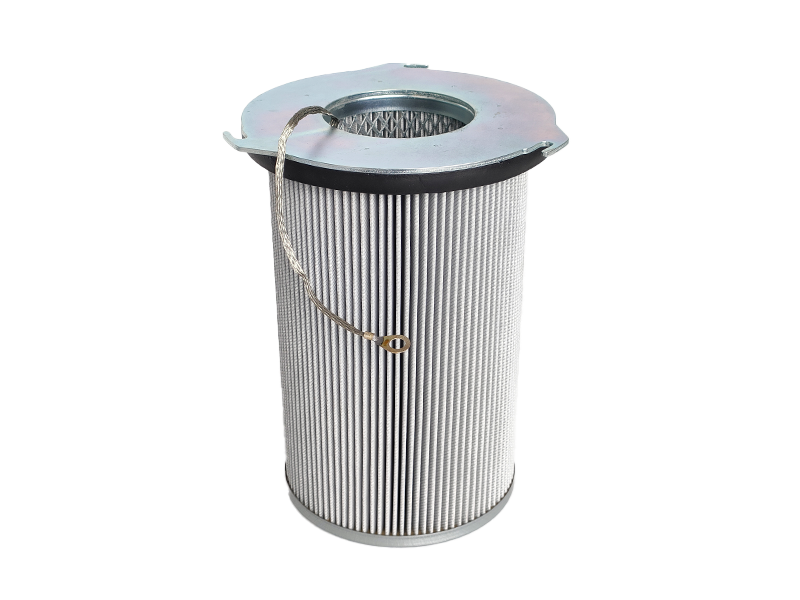
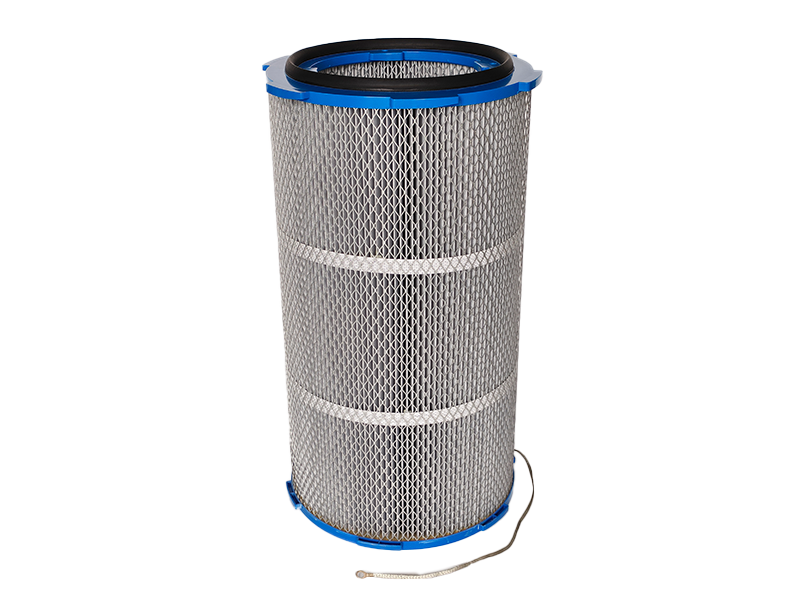
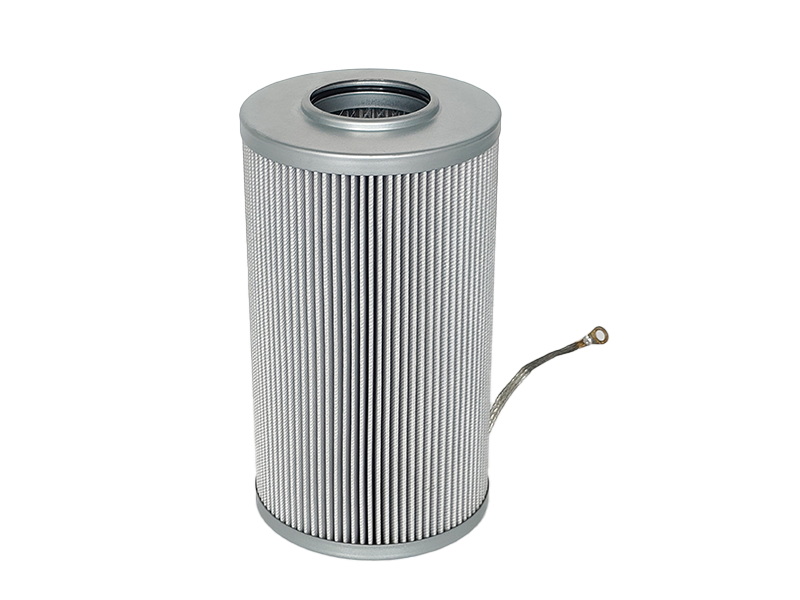
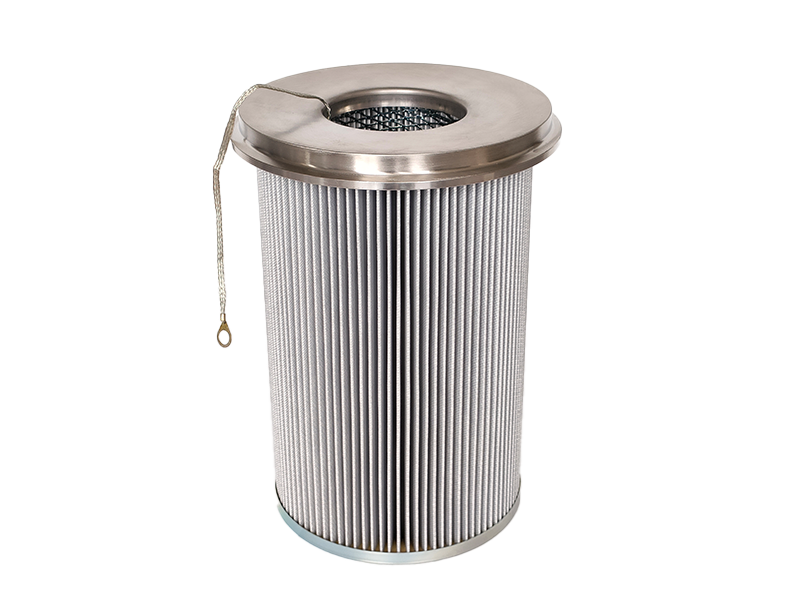
Tie Rod High Temperature Filter Cartridge

Filter Manufacturer Safe & Reliable Long Lasting & Stable Customizable
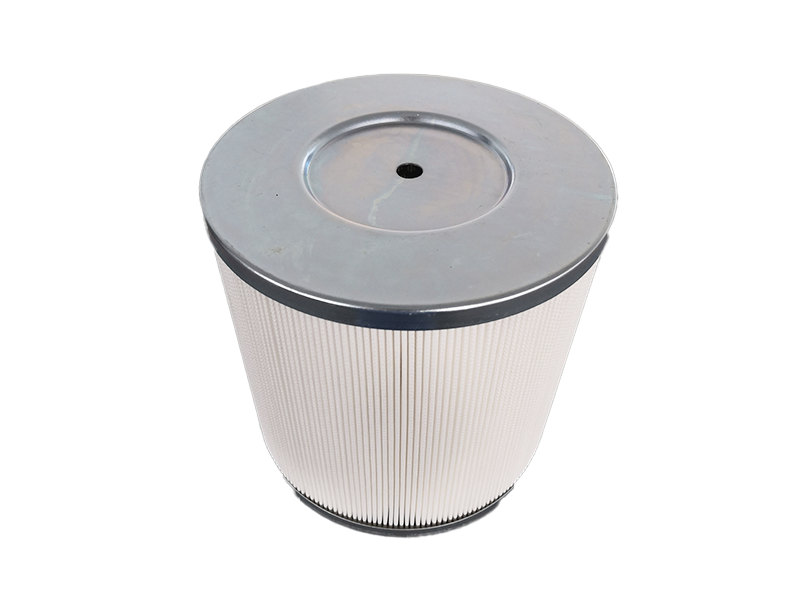
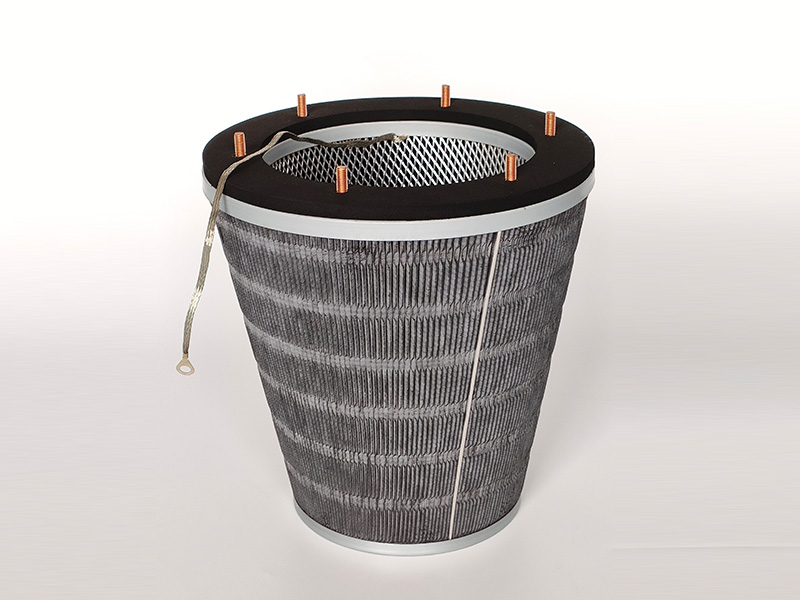
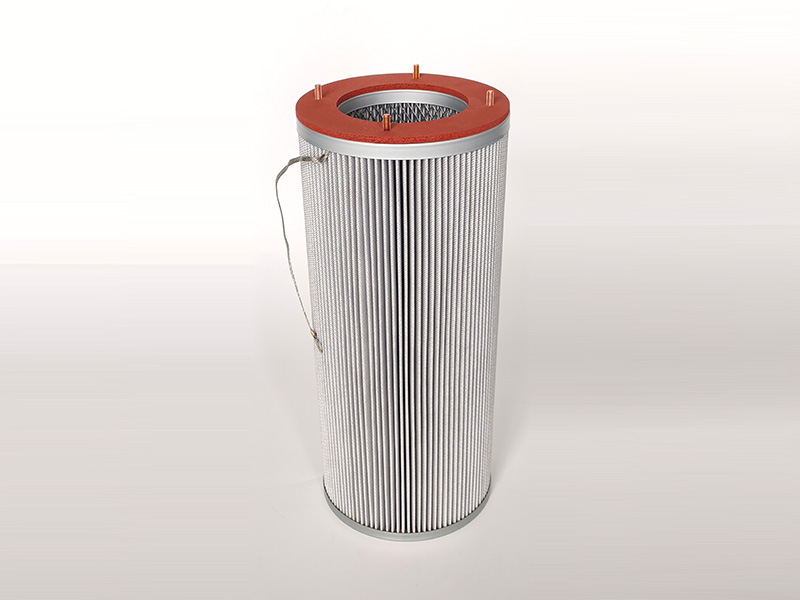
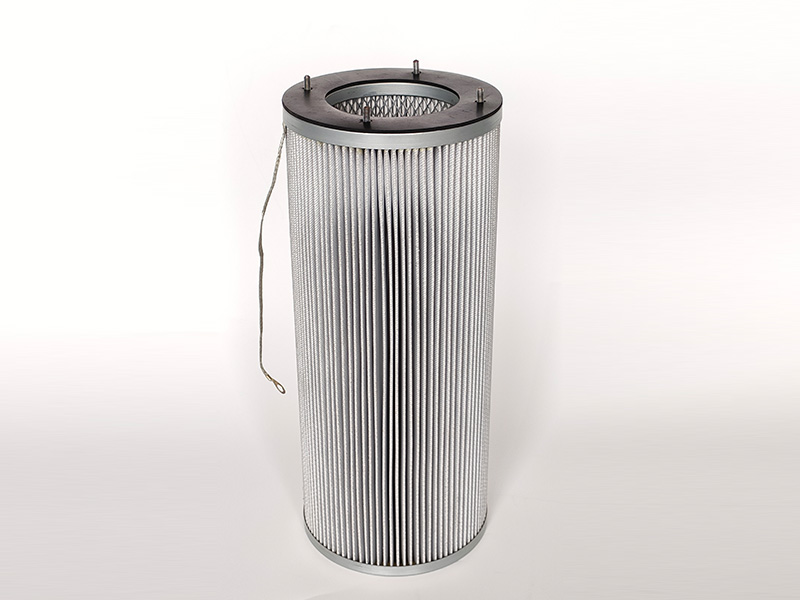
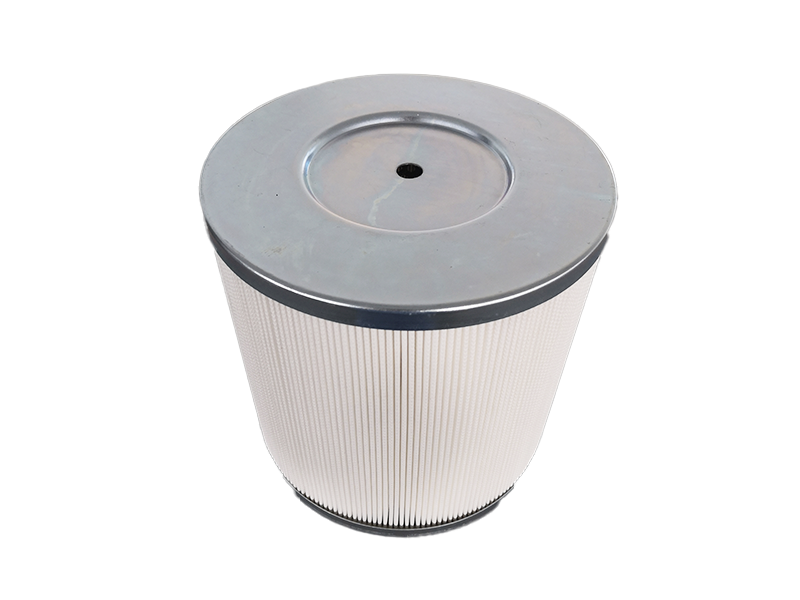
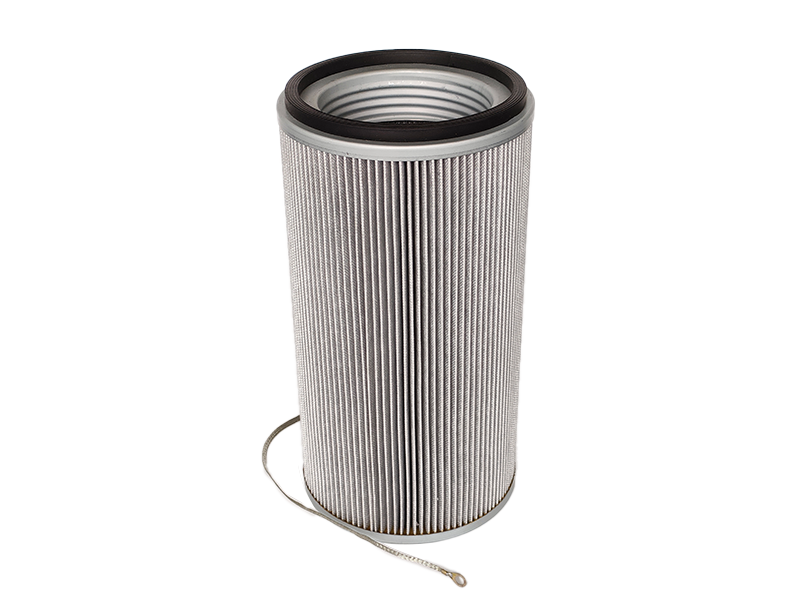
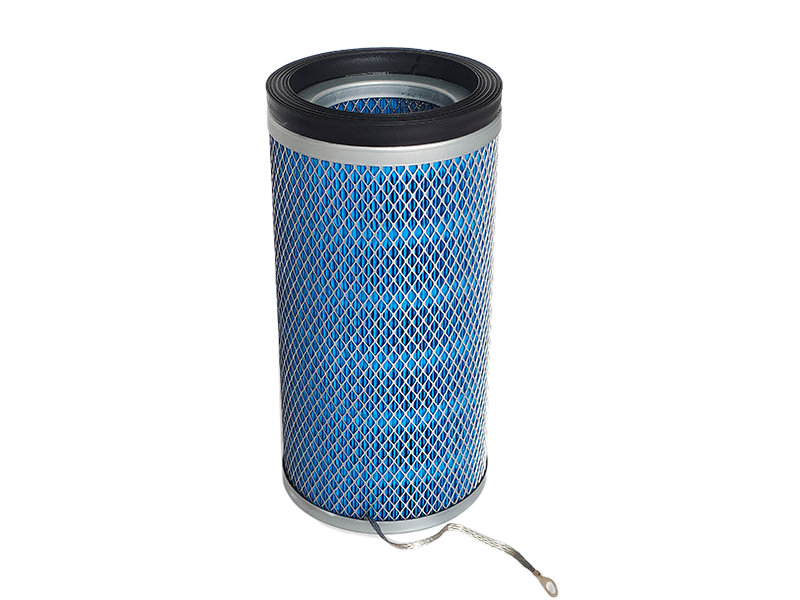
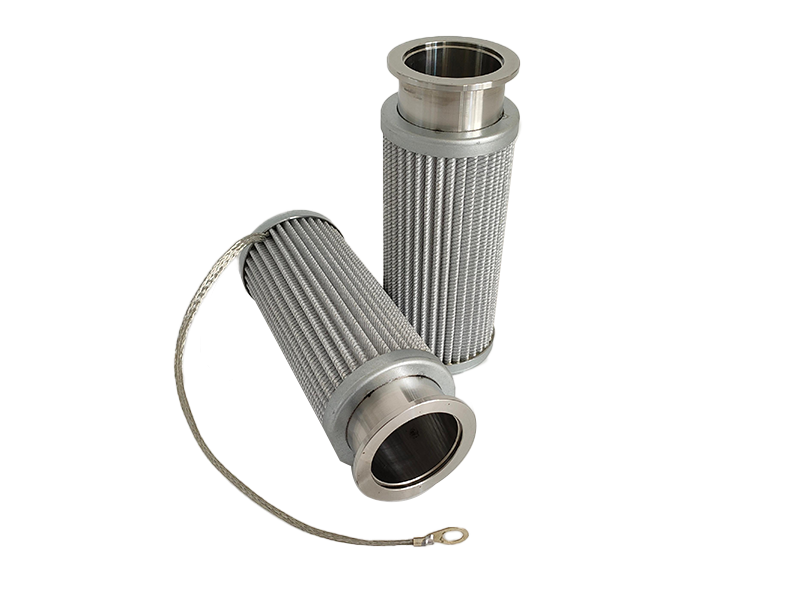
A through tie rod hole is arranged at the center of tie rod high temperature filter cartridges. During installation, the tie rod runs through the cartridge, and the end caps are compressed via nuts or quick-release handles. This connection type features a compact structure and adjustable compression force, and is widely used for high-temperature printing working conditions of upgraded SLM 280 equipment and high-end continuous production machines.

Factory Direct Supply

Complete Certifications

Free Technical Guidance

Comprehensive After-sales Service

132 2373 6050

Core Definition

Tie rod high-temperature filter cartridges are designed with a through tie rod hole at the center. During installation, the tie rod passes through the cartridge, and the end caps are compressed by nuts or quick-release handles. Featuring a compact structure and adjustable compression force, this connection type is widely applied to high-temperature printing conditions of upgraded SLM 280 equipment and high-end continuous production machines.

This product adopts asymmetric sintered metal or ceramic filter media with an all-stainless steel construction, supporting operating temperatures from 300℃ to 600℃. It meets H13-H14 filtration grades per EN 1822 standard. Sintered metal/ceramic media deliver excellent high-temperature stability, corrosion resistance and mechanical strength, with a service life of over 20,000 hours, making them particularly suitable for long-term continuous high-temperature production.

Core Technical Advantages

Central compression via tie rod: A tie rod hole runs through the cartridge center. After the tie rod penetrates the cartridge, nuts are used for compression. The compression force is adjustable, maintaining tight contact between end caps and sealing surfaces even during thermal expansion at high temperatures.

Asymmetric sintered metal media: Made of stainless steel or nickel-based alloy sintered media, operable at 300–600℃. The smooth media surface allows easy shedding of contaminants, enabling online high-temperature dust cleaning with pulse backblowing.

Ultra-long service life at high temperatures: Sintered metal media maintain stable structure without aging or shrinkage under high heat, boasting a lifespan over 20,000 hours, 10 to 20 times longer than traditional glass fiber filter cartridges.

All-stainless steel ultra-high-temperature resistant construction: Frames, end caps and tie rods are made of 304 or 316L stainless steel (Inconel optional), tolerating temperatures up to 600℃ with high retention of mechanical strength at high heat.

Metal sealing system: Metal seals or flexible graphite seals are used between end caps and cartridges, eliminating rubber aging issues and suiting ultra-high-temperature working conditions.

Intrinsic temperature safety: Constructed entirely from inorganic metallic materials with no risk of combustion or self-ignition, complying with fire safety grade requirements.

Application Fields

High-end Continuous High-Temperature Production Equipment

Ultra-High-Temperature Printing Materials:

High-temperature printing of titanium alloys and nickel-based alloys

High-melting-point metals including tungsten, molybdenum and tantalum

Ceramic materials

FAQ

Q1: How to clean and regenerate sintered metal filter cartridges?

A: Regeneration can be achieved by pulse backblowing (online cleaning), ultrasonic cleaning, chemical cleaning or high-temperature calcination. 80%–90% of the original performance can be restored after cleaning.

Q2: What temperature range is applicable to tie rod high-temperature filter cartridges?

A: Standard stainless steel sintered media operate at ≤300℃; Inconel sintered media work at ≤600℃; special customized versions can reach 800℃. The operating temperature must be specified when placing orders.

Q3: What is the filtration precision of sintered metal filter cartridges?

A: It can reach H13-H14 grade (filtration efficiency ≥99.95%–99.995% for 0.3μm particles). The filtration precision depends on sintered powder particle size and process parameters.


Related Recommendations
首页 电话 TOP