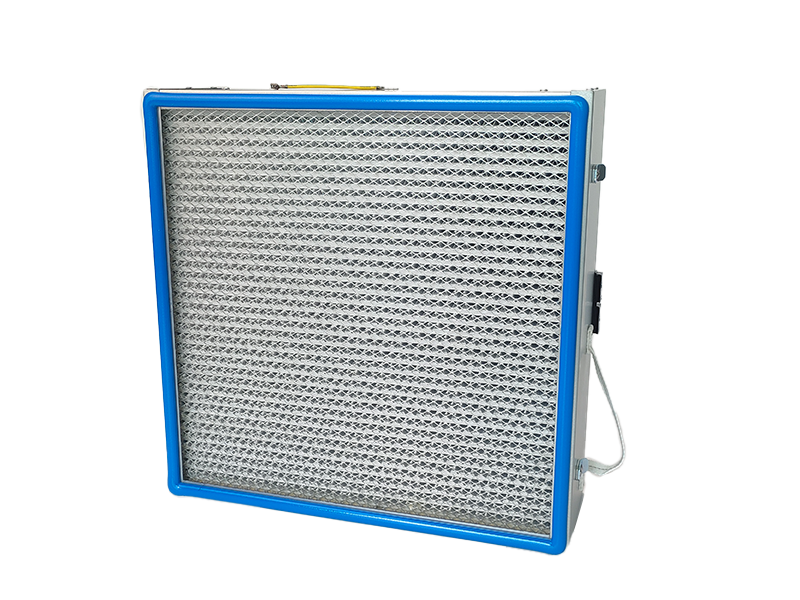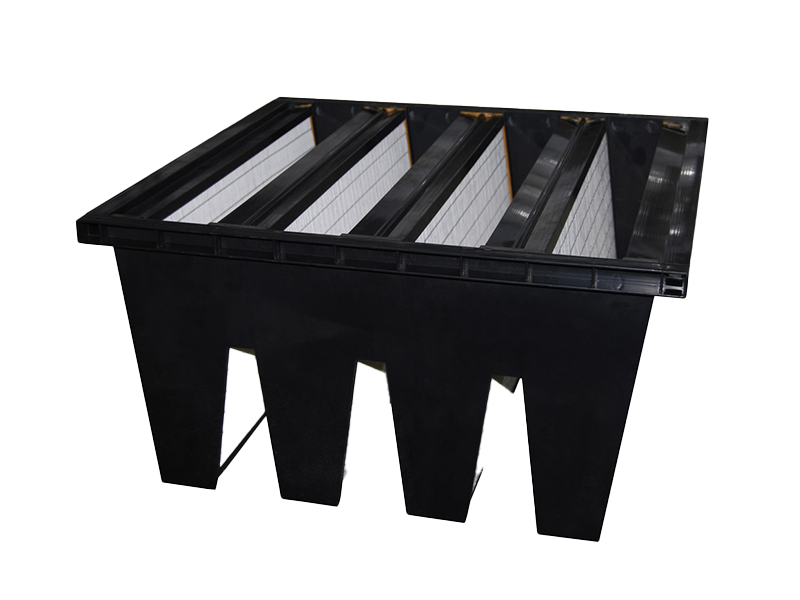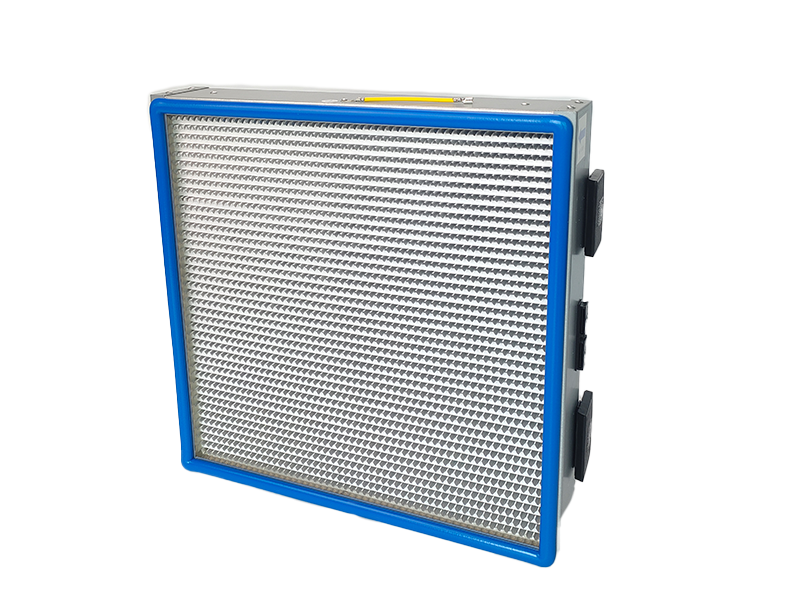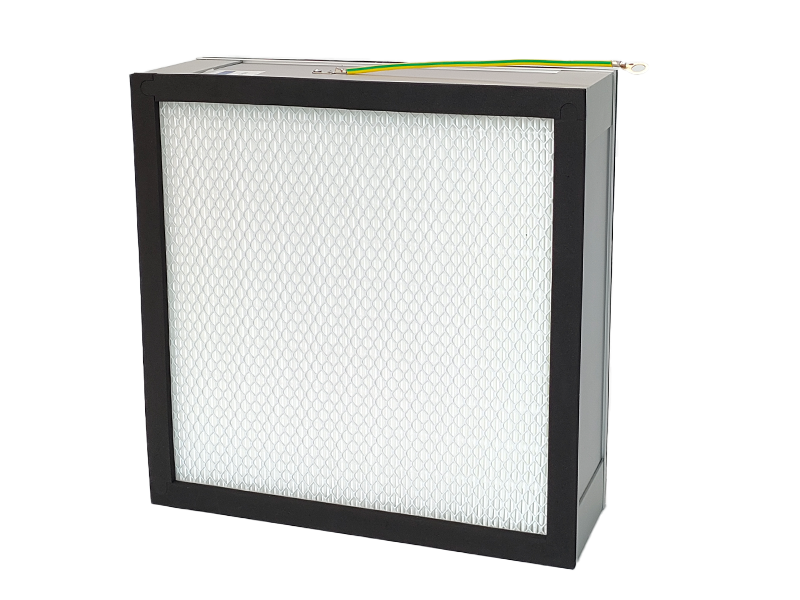
H13 HEPA Filter

Mini-Pleat HEPA Filter

Filter Manufacturer Safe & Reliable Long Lasting & Stable Customizable
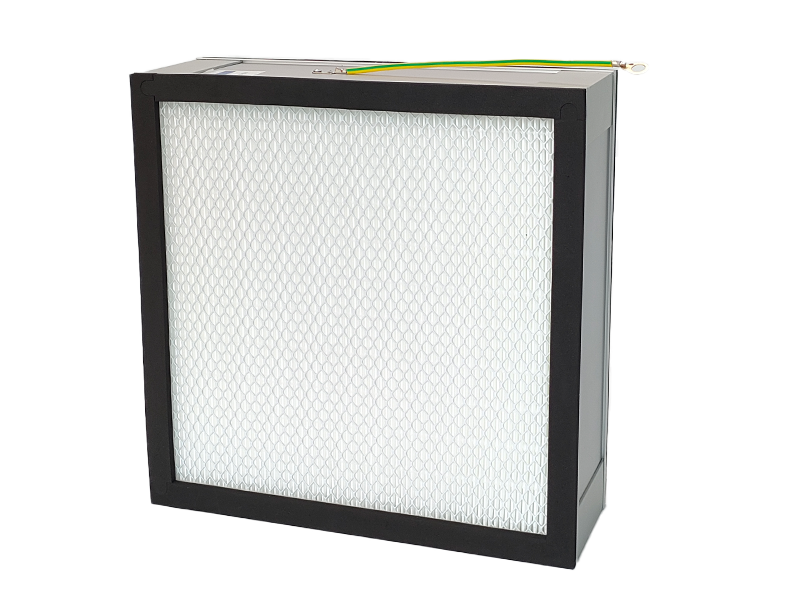
Mini-pleat HEPA filters adopt hot melt adhesive instead of traditional aluminum separators to fold ultra-fine glass fiber filter paper into compact V-shaped channels. This design delivers larger filtration area, lighter weight and lower resistance within the same overall volume, making it especially suitable for compact filtration units with limited internal space inside 3D printing equipment.

Factory Direct Supply

Complete Certifications

Free Technical Guidance

Comprehensive After-sales Service

132 2373 6050

Description:
Mini-pleat filters replace traditional aluminum separators with hot melt adhesive. Ultra-fine glass fiber media is folded into compact V-shaped channels, delivering larger filtration area, lighter weight and lower resistance within the same volume. They are ideal for compact filtration units with confined internal space inside 3D printing equipment.

Complying with EN 1822 standard, this filter achieves ≥99.95% efficiency for MPPS (Most Penetrating Particle Size, approx. 0.3μm) at H13 grade with initial resistance ≤220Pa. It serves as an ideal high-efficiency final filter for recirculating gas in SLM, DMLS and other metal 3D printing systems.

Core Technical Advantages:

Mini-pleat design for compact size & lightweight build: Hot melt adhesive replaces aluminum separators, cutting filter thickness by 30–40% and weight by over 50%. It occupies far less space at equal filtration area, perfectly fitting cramped inner cavities of 3D printers.

Expanded filtration area: Mini-pleat technology enables denser pleats, boosting filtration area per unit volume by 30–50% versus separator-style filters, for higher dust holding capacity and extended service life.

High efficiency with low pressure drop: Optimized V-shaped channels deliver even airflow distribution and low operational resistance. Initial pressure drop ranges only 180–220Pa to reduce energy consumption of exhaust systems.

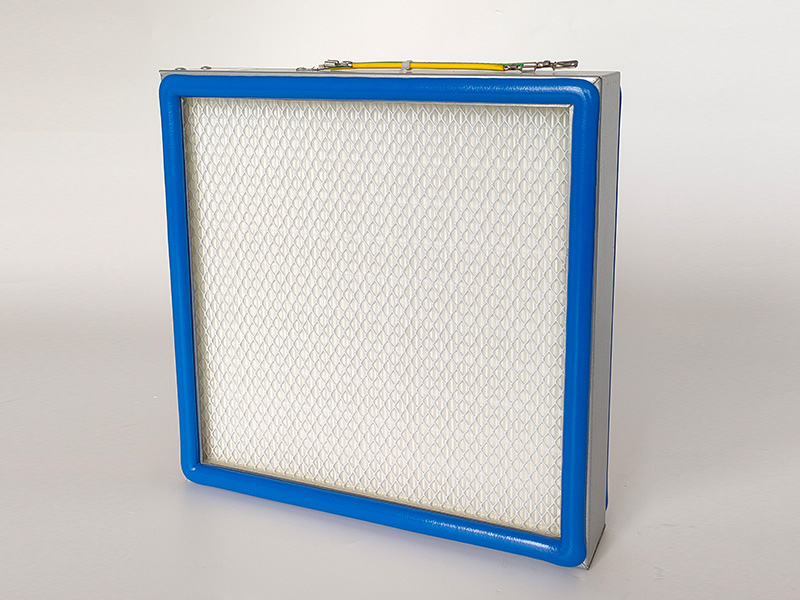
Multiple sealing options: Polyurethane foam sealing, liquid gel tank sealing and EPDM rubber strips are available to match diverse equipment installation requirements.

Application Fields:

Gas Recirculation Systems of Metal 3D Printing Equipment:

Final high-efficiency filtration for recirculating gas in SLM & DMLS printers

Inert gas (Argon / Nitrogen) purification inside build chambers

Filtration units for gas recovery systems

3D Printing Auxiliary Equipment:

Exhaust filtration for powder sieving machines

Terminal purification for powder cleaning stations & powder extractors

FFU units for cleanrooms in printing workshops

Applicable Materials (High-standard Working Conditions):

Titanium Alloy (Ti6Al4V) — sensitive to oxygen content

Nickel-Based Alloys (Inconel 718 / 939)

Cobalt-Chromium Alloy (CoCr)

Aluminum Alloy (AlSi10Mg)

FAQ

Q1: How to choose between mini-pleat and separator-style filters?
A: Mini-pleat filters feature smaller size, lighter weight and lower resistance, suited for space-limited internal printer installation. Separator filters boast superior mechanical strength for high-airflow and high-temperature environments.

Q2: What is the difference between liquid tank gel sealing and polyurethane sealing?
A: Liquid gel sealing delivers ultra-tight airtight performance, ideal for strict zero-leakage H13/H14 filtration applications. Polyurethane foam sealing offers lower cost for standard filtration demands.

Q3: What is the service life of mini-pleat filters?
A: Under regular printing conditions as final recirculation filters, the service life reaches 2000–4000 hours, depending on pre-filter performance and printed materials.

Q4: Can mini-pleat filters withstand high temperatures?
A: Standard mini-pleat filters operate at ≤70°C. High-temperature customized versions (≤120°C) are available with heat-resistant hot melt adhesive and filter media.

Related Recommendations
首页 电话 TOP