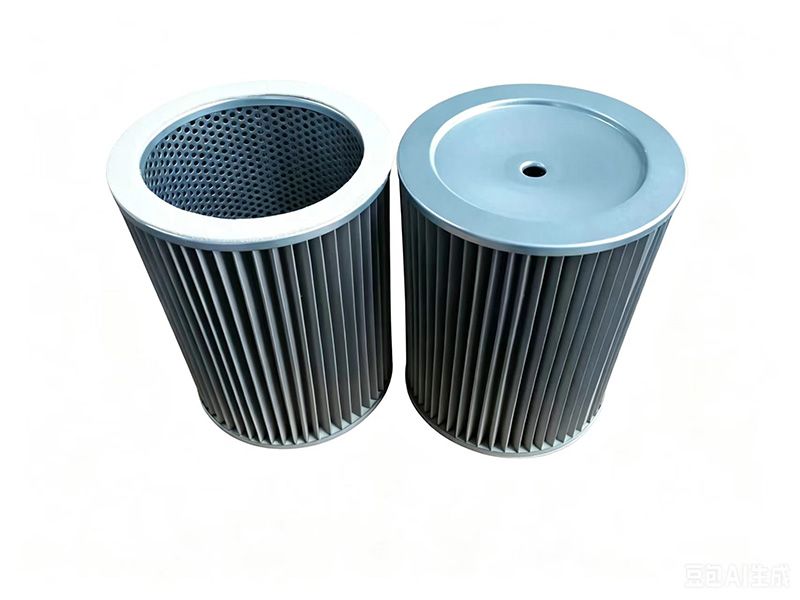
Description:
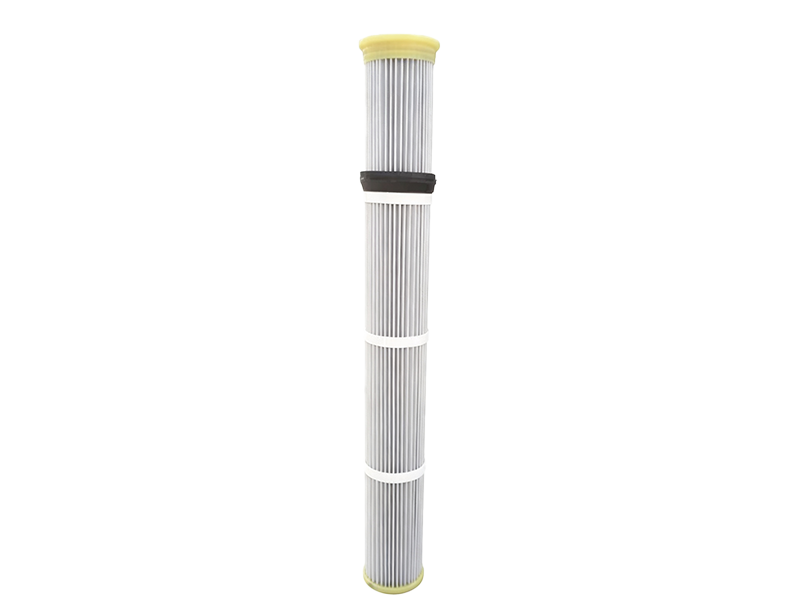
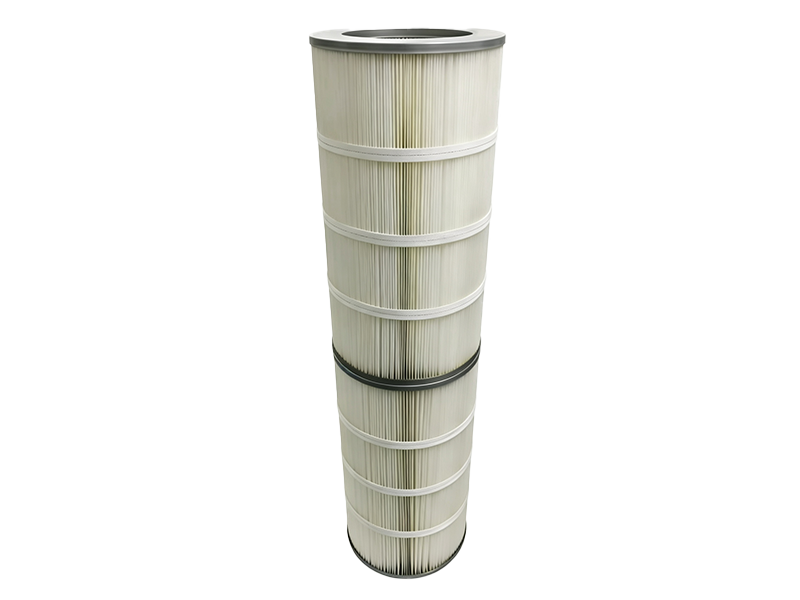
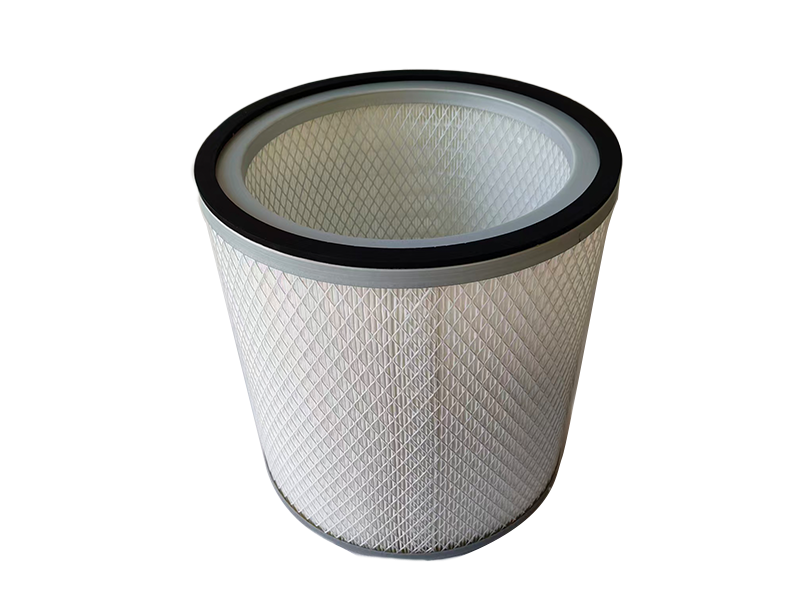
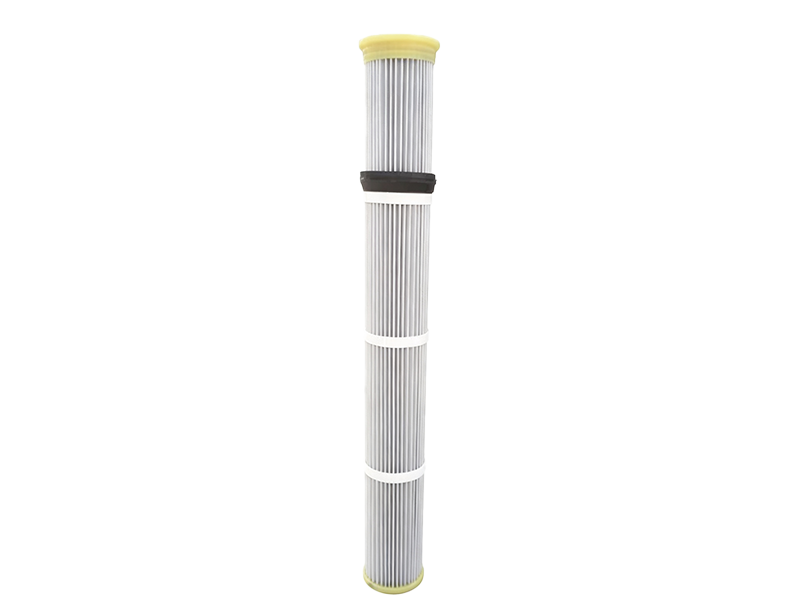
Flame retardant & anti-static filter cartridges are designed for filtering fume generated during cutting of stainless steel, aluminum alloy, galvanized sheet and other materials that produce sparks or flammable & explosive dust. During laser cutting, splashes of high-temperature molten metal (sparks) may enter the dust removal system and ignite dust accumulated on filter cartridges. This may burn out the cartridges in mild cases, or trigger dust collector explosions in severe cases.
Dual safety protection design from media to structure:
Flame retardancy: The filter media undergoes special flame retardant treatment, reaching Grade B per GB/T 5445-2014 or UL94 V-0 rating, which effectively blocks flame spread upon open flame contact.
Anti-static performance: Conductive fibers are blended into media or anti-static coating is applied, controlling surface resistance within the safe range of 10⁶–10⁹Ω. Static electricity is quickly conducted to ground to prevent spark ignition caused by static accumulation.
Core Technical Advantages:
High-precision filtration balancing efficiency and safety: Combined PTFE membrane coating and anti-static treatment deliver 0.3μm filtration precision with efficiency ≥99.99%. It also intercepts toxic metallic fume containing chromium, nickel and other elements to protect operators’ health.
Excellent pulse cleaning performance: PTFE membrane enables surface filtration to stop deep dust penetration. Dust falls off easily during pulse backblowing, with pressure drop recovery rate ≥90%
Working Condition Matching Table:
| Cutting Material | Recommended Model | Flame Retardant Grade | Surface Resistance | Filtration Precision | Key Requirements |
| Magnesium Alloy Cutting | Explosion-proof Type | V-0 | ≤10⁶Ω | 0.3–0.5μm | Ultra-low resistance, explosion-proof certification |
| Galvanized Sheet Cutting | Nano Membrane Coated Type | Grade B | ≤10⁹Ω | 0.3μm | No molten droplets, high precision |
| Painted Carbon Steel | Standard Flame Retardant Type | Grade B | — | 0.5–1μm | Cost-effective |
| High-power Laser Cutting | Nano Membrane Coated Type | Grade B | ≤10⁹Ω | 0.3μm | Temperature resistance ≤120℃, no molten droplets |
| Shipyard / Rail Transit | P034303 / P190818 | V-0 / Grade B | ≤10⁹Ω | 0.3–0.5μm | Compliant with shipyard safety specifications |
Note: UL94 V-0 stands for high flame retardant grade; GB/T 5445-2014 Grade B is the industrial standard for flame retardant filter media.
Application Fields:
Supporting dust removal for high-power fiber laser cutters (6kW and above)
Fume treatment for thick plate cutting (≥20mm)
Fume control for laser cutting producing explosive dust containing Cr, Ni, Al, etc.
Safety protection for laser processing of high-reflective materials
Fume purification for laser & plasma cutting of ship steel plates
Dust removal for aluminum alloy laser cutting of high-speed train car bodies
Fume treatment for magnesium alloy & titanium alloy processing
Dust removal for powder coating & plastic laser processing
FAQ
Q1: Must filter cartridges have both flame retardant and anti-static properties at the same time?
A: Not necessarily, depending on working conditions:
Flame retardant only: Cutting painted & coated carbon steel plates, main hazard is spark ignition
Anti-static only: Cutting ordinary carbon steel, main hazard is static accumulation with low spark risk
Flame retardant + anti-static: Cutting aluminum alloy, stainless steel, galvanized sheet with dual risks of sparks and static electricity; both functions are mandatory.
Q2: How to verify the flame retardant performance of filter cartridges?
A: Domestic testing mainly follows GB/T 5445-2014 to measure afterflame time and flame retardant grade:
Grade B: Afterflame time ≤5 seconds, basic flame retardant requirement for industrial filter media;
UL94 V-0: More stringent international standard with afterflame time ≤10 seconds, suitable for high-safety-demand scenarios.
Q3: What is the surface resistance range for anti-static filter cartridges?
A: Per explosion-proof safety codes, surface resistance of anti-static filter media shall be controlled within 10⁶–10⁹Ω:
Below 10⁶Ω: Excessive conductivity, risk of electric leakage;
10⁶–10⁹Ω: Ideal safe range;
Above 10⁹Ω: High risk of static accumulation, not applicable for explosion-proof areas.
Q4: Does flame retardant treatment reduce filtration efficiency?
A: No. Flame retardant agent coats fiber surfaces without altering internal fiber structure or pore size distribution. Combined PTFE membrane ensures 0.3μm precision and ≥99.99% filtration efficiency.
Q5: How does the service life of flame retardant cartridges compare with standard ones?
A: In spark splashing working conditions, flame retardant cartridges avoid premature failure caused by local combustion and generally deliver longer service life (12–18 months vs 6–12 months). Frequent spark impact leads to partial media aging, so regular inspection is recommended.