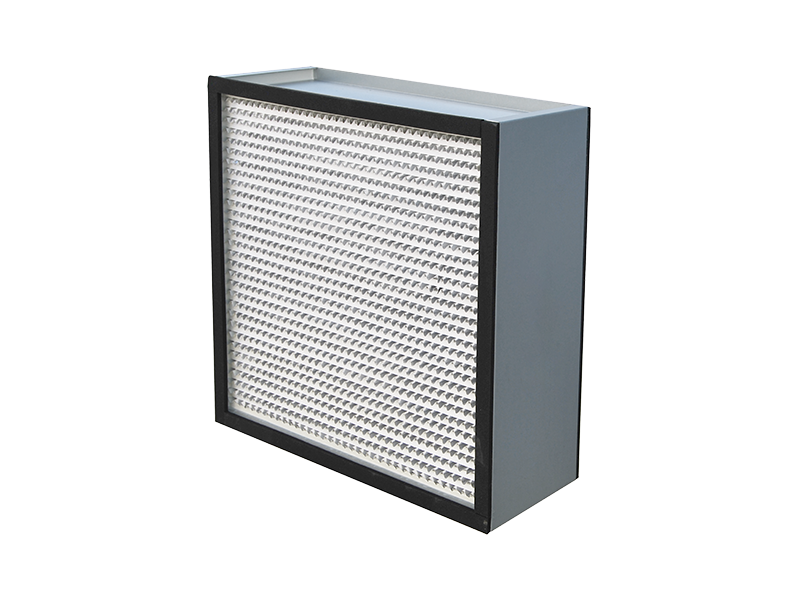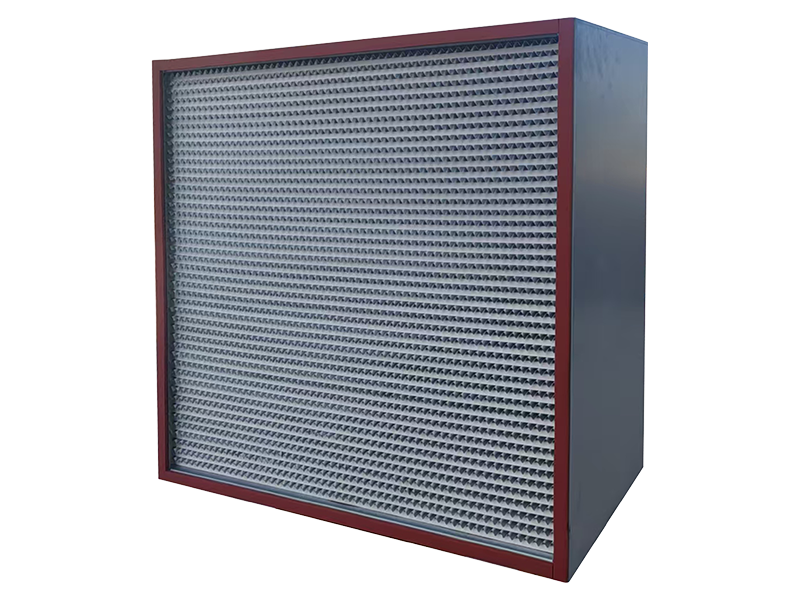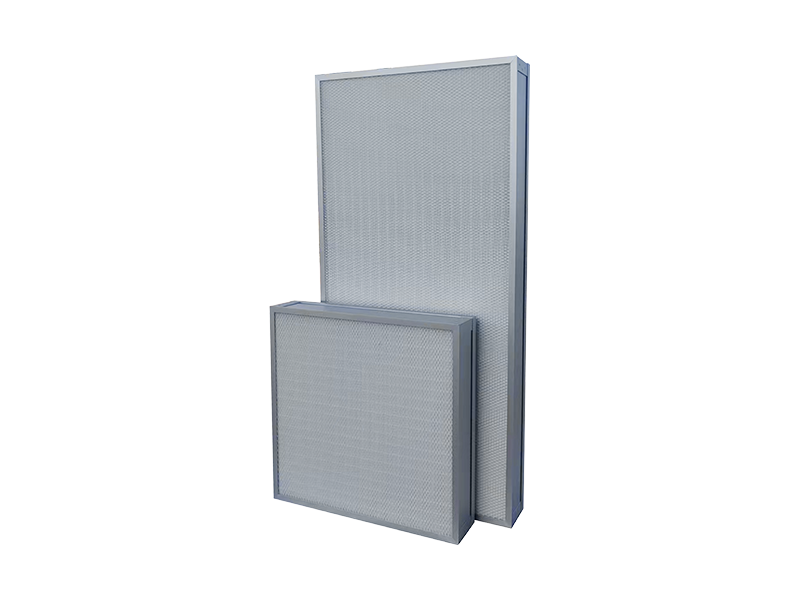
Cleanroom Air Filter Cartridges

Sub-High Efficiency Filter

Filter Manufacturer Safe & Reliable Long Lasting & Stable Customizable
HEPA filters can effectively intercept submicron dust, fine aerosols, PM2.5, partial bacteria and other contaminants ranging from 0.3μm to 1μm in the air, with filtration efficiency up to 95%–99.95% (meeting H10-H12 grades of EN 1822 standard). They further improve air cleanliness, effectively reduce the load on downstream HEPA filters, cut differential pressure loss, and extend the operation & maintenance cycle of the whole purification system. Compatible with ISO Class 5~7 cleanroom requiremen

Factory Direct Supply

Complete Certifications

Free Technical Guidance

Comprehensive After-sales Service

132 2373 6050

Description:

HEPA filters effectively trap submicron dust, fine aerosols, PM2.5, partial bacteria and other contaminants ranging from 0.3μm to 1μm in the air, with filtration efficiency reaching 95%–99.95% (complying with H10-H12 grades of EN 1822 standard). They further improve air cleanliness, reduce the load on downstream HEPA filters, lower differential pressure loss, and extend the operation and maintenance cycle of the entire purification system. Meeting the requirements of ISO Class 5~7 cleanrooms, they serve as core purification accessories for various high-cleanliness scenarios including pharmaceutical, electronics, medical, food and laboratory industries.

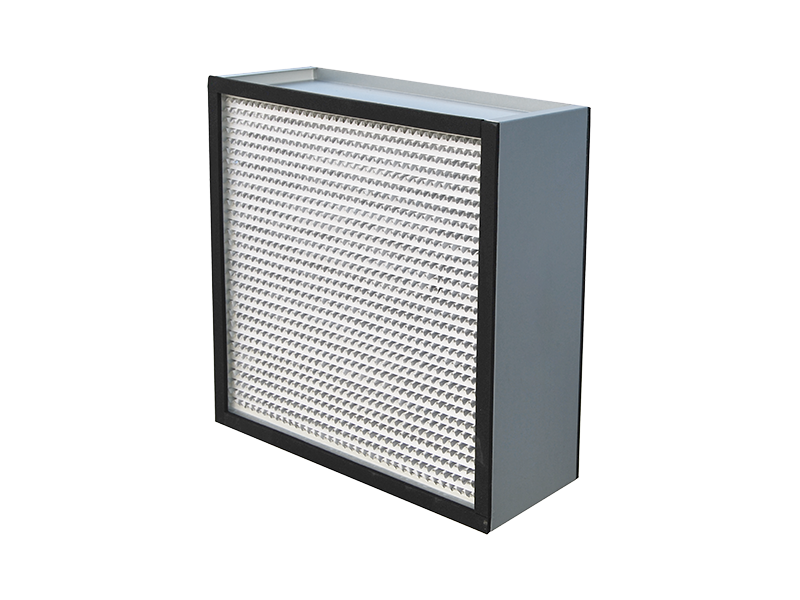
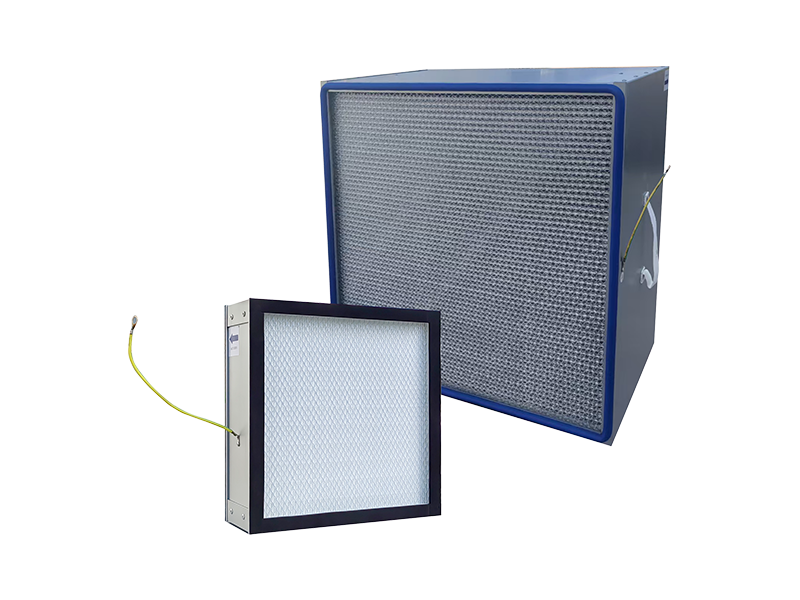
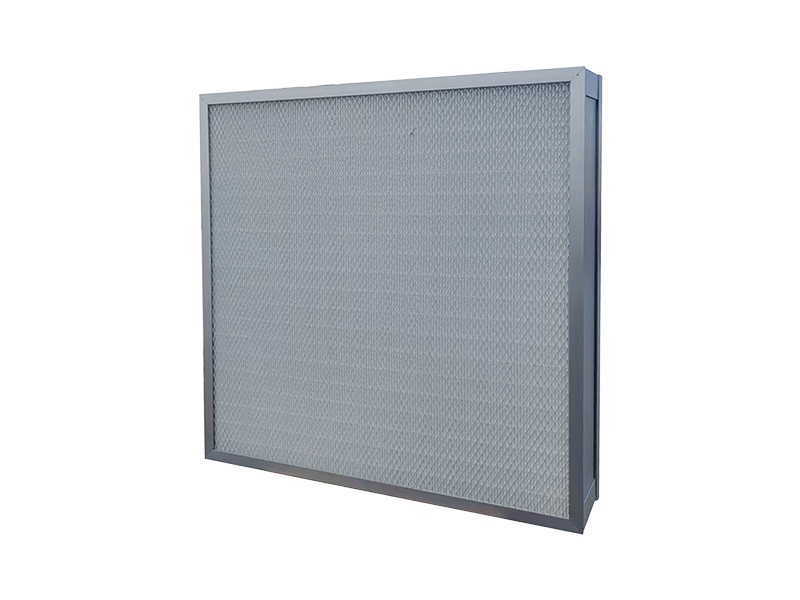
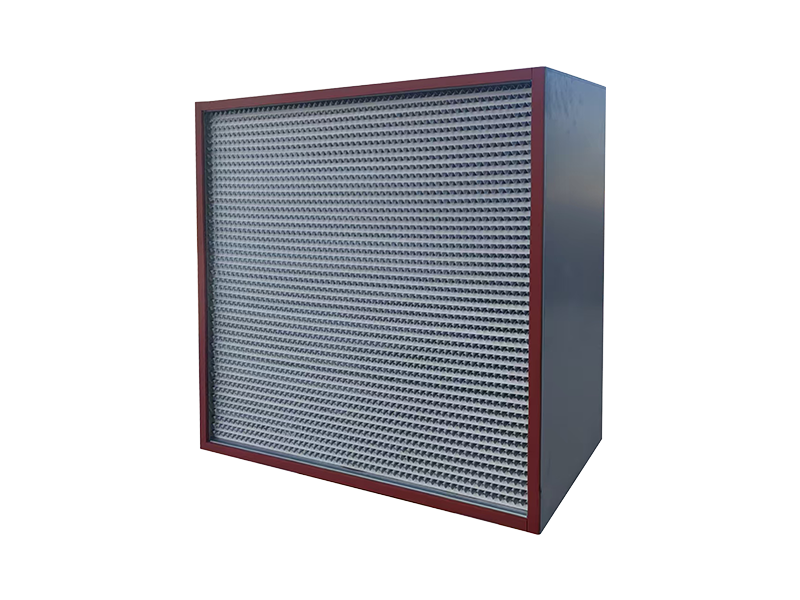
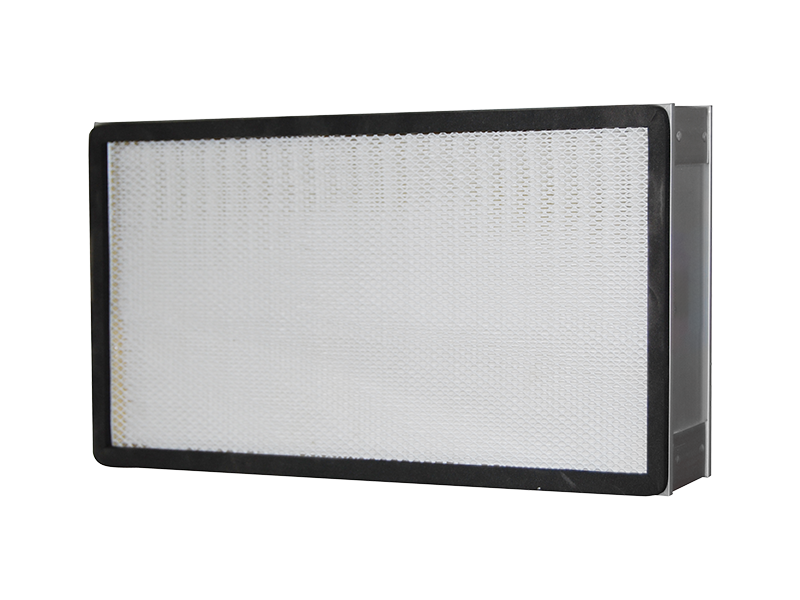
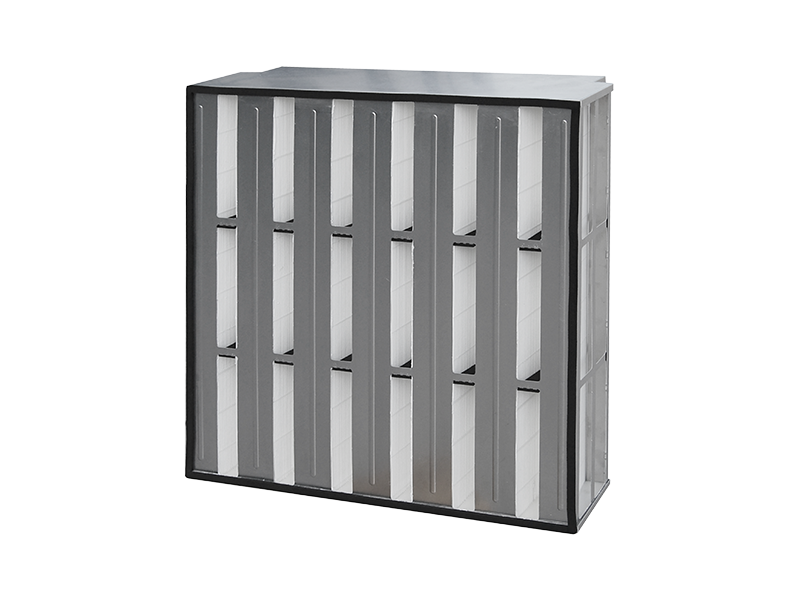
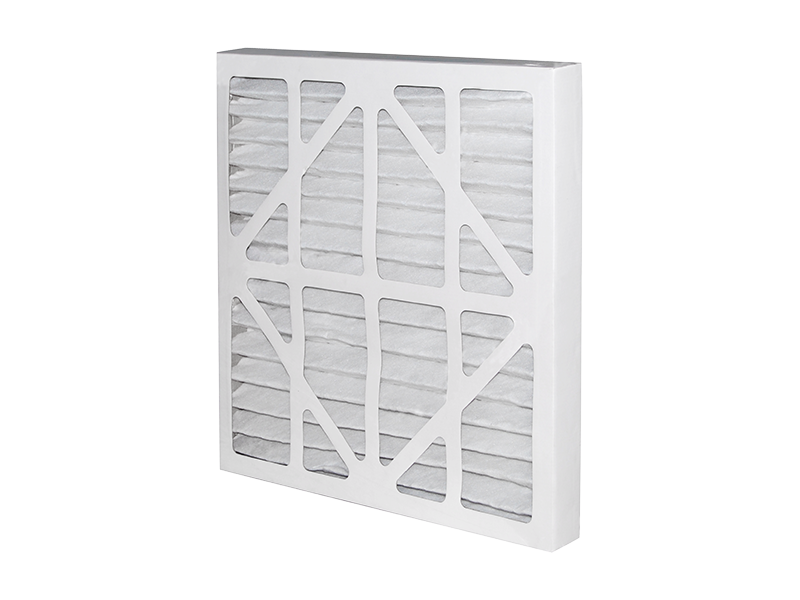
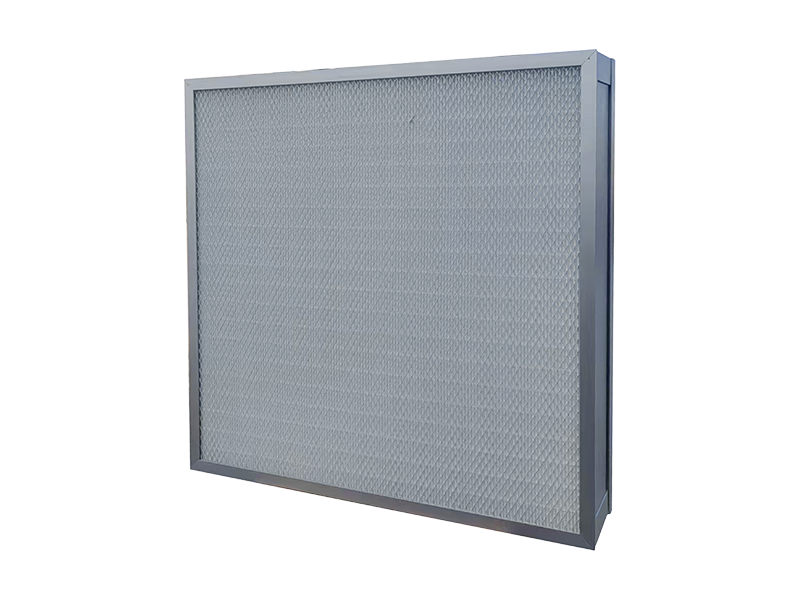
Classified by product structure, HEPA filter products include high-temperature resistant separator filters, V-bank filters, low-pressure-drop filters, anti-static filters, separator filters and separator-free filters.

Application Fields:

HEPA filters dedicated to cleanrooms

HEPA filters for dust-free workshops

HEPA filters for GMP workshops

Medium-to-high grade filtration for electronics factory cleanrooms

Medium-to-high grade filtration for pharmaceutical factories

Medium-to-high grade filtration for food workshops

Medium-to-high grade filtration for laboratories

Custom medium-to-high grade purification filters

Core Technical Advantages:

Pre-filtration performance: H11 grade HEPA filters achieve ≥97% efficiency for particles ≥0.5μm, acting as ideal front-end protection for H13/H14 HEPA filters to extend their service life.

Low pressure drop: Initial resistance ≤120Pa, approximately 50% of HEPA filters with the same efficiency, greatly cutting fan energy consumption.

Excellent sealing performance: Triple protection consisting of 5mm EPDM sealing strips, solvent-free polyurethane sealant and mechanical sealing. Each unit undergoes leak testing before delivery with air leakage rate ≤0.1%.

Working Condition Matching Table:

Application SiteCleanliness ClassRecommended ModelKey Requirements
Hospital clean operating department (sub-clean area)ISO Class 7 (Class 10,000)H11 / Sub-High EfficiencyFlame retardant, EPDM sealing
Pharmaceutical workshop (GMP Grade C)ISO Class 7H11GMP certified, fiber-free shedding
Electronics factory (LCD / packaging)ISO Class 6–7H11/H12Low metal ion leaching
Central air conditioning system (office / hospital)General cleanlinessH10Suitable for AHU terminal
Animal house / biosafety laboratoryISO Class 7H11High mechanical strength, disinfection resistant


Case & Data Verification

An ultra-clean laboratory of a university in Beijing installed H11 HEPA filters as pre-filters upstream of H14 HEPA filters. At a rated wind speed of 0.45m/s, the measured pressure drop of the HEPA section was 112Pa and the final resistance remained below 180Pa, maintaining stable Class 1000 cleanliness (≤100 particles per cubic foot at 0.5μm).

FAQ:

Q1: What is the difference between H10-H12 HEPA and H13-H14 HEPA filters?
A: H10-H12 HEPA filters deliver 95%-99.5% efficiency for 0.5μm particles with initial resistance ≤120Pa; H13-H14 HEPA filters achieve ≥99.995% efficiency for 0.3μm particles with initial resistance around 220Pa. H10-H12 HEPA filters cost approximately 60% of H13-H14 grades and are ideal for pre-filtration.

Q2: Can H10-H12 HEPA filters be used alone as cleanroom terminal filters?
A: Yes, for lower-grade cleanrooms (ISO Class 7–8) such as general electronics workshops and standard hospital operating rooms. However, H13-H14 HEPA filters are still required as terminal filters for ISO Class 5–6 environments or pharmaceutical sterile zones.

Q3: How to test the efficiency of H10-H12 HEPA filters?
A: Sodium flame method (GB 6165): A NaCl aerosol generator produces test aerosol; photometers measure upstream and downstream particle concentrations to calculate filtration efficiency.

Q4: What sealing requirements apply to H10-H12 HEPA filters?
A: 5mm thick EPDM foam sealing strips (Shore hardness 28±5) paired with solvent-free polyurethane sealant. All products must pass DOP/PAO leak testing before delivery with air leakage rate ≤0.1%.


Related Recommendations
首页 电话 TOP