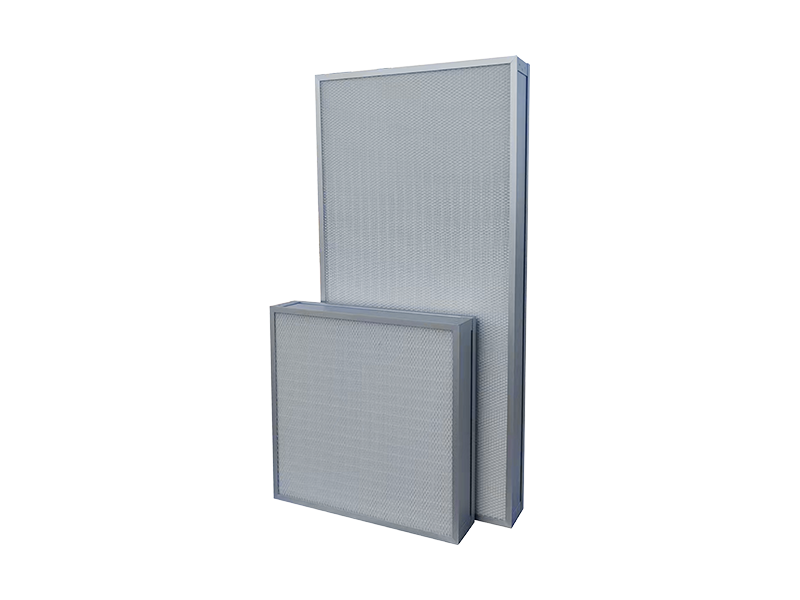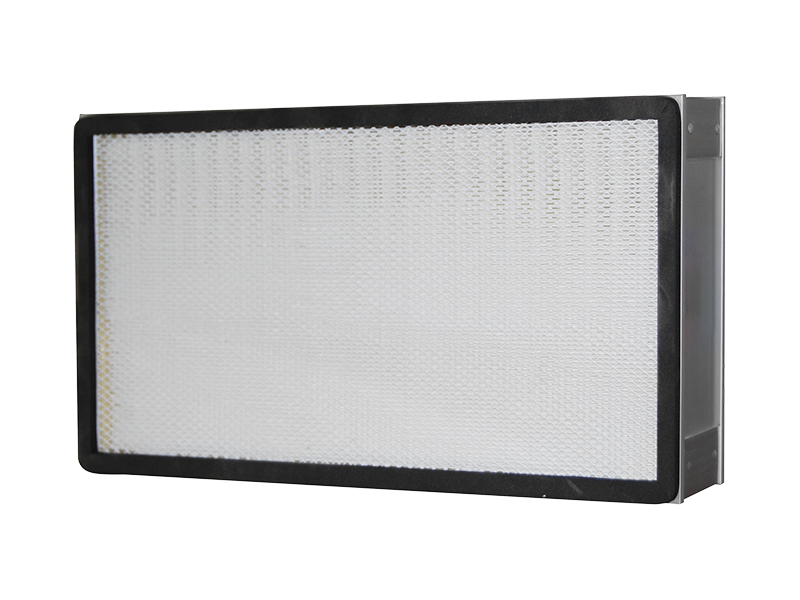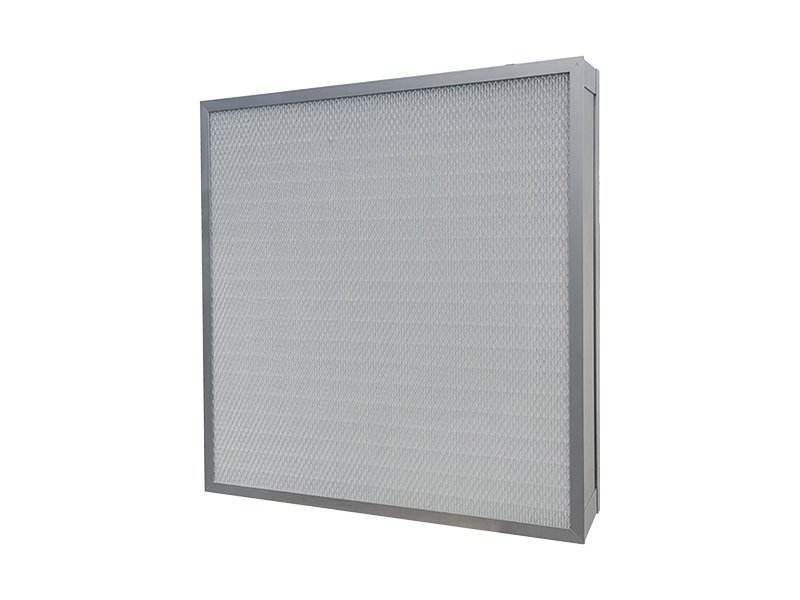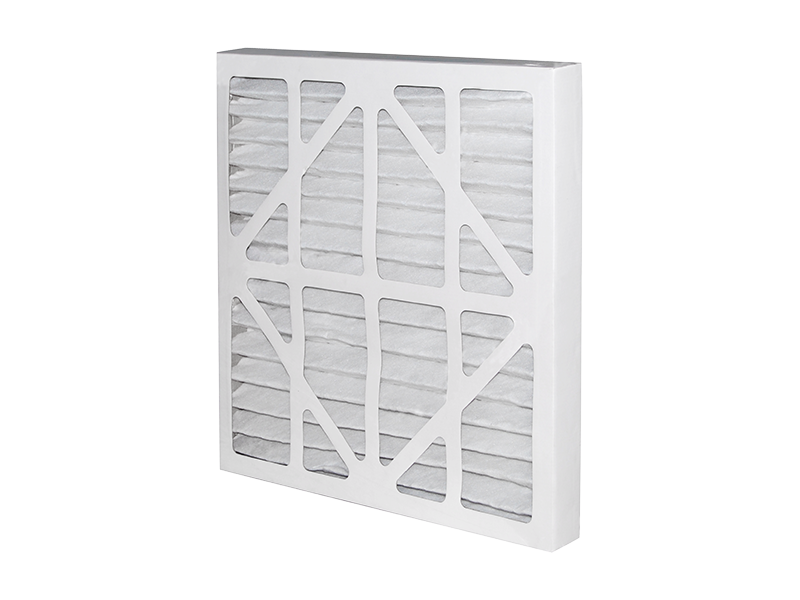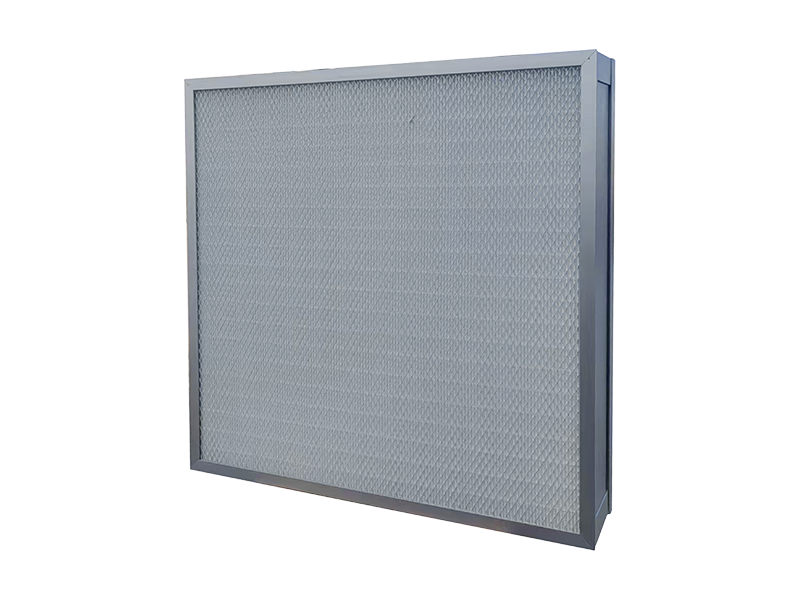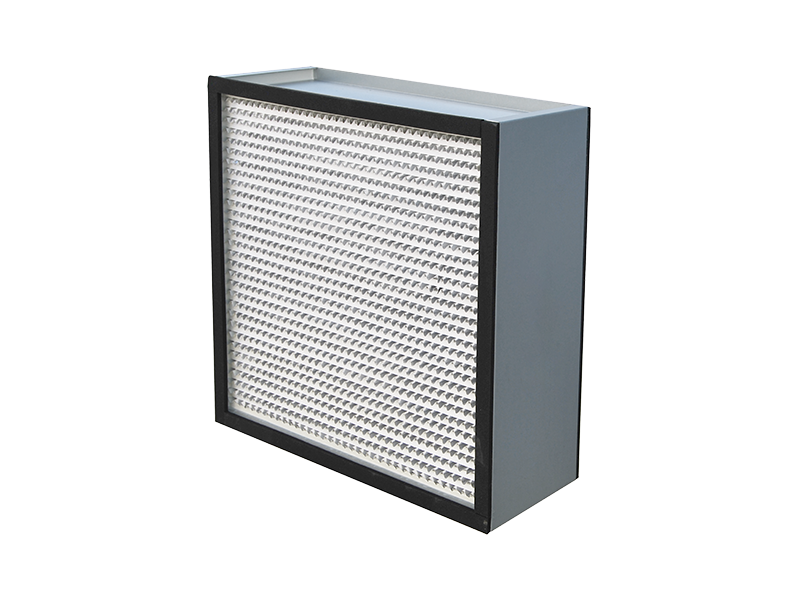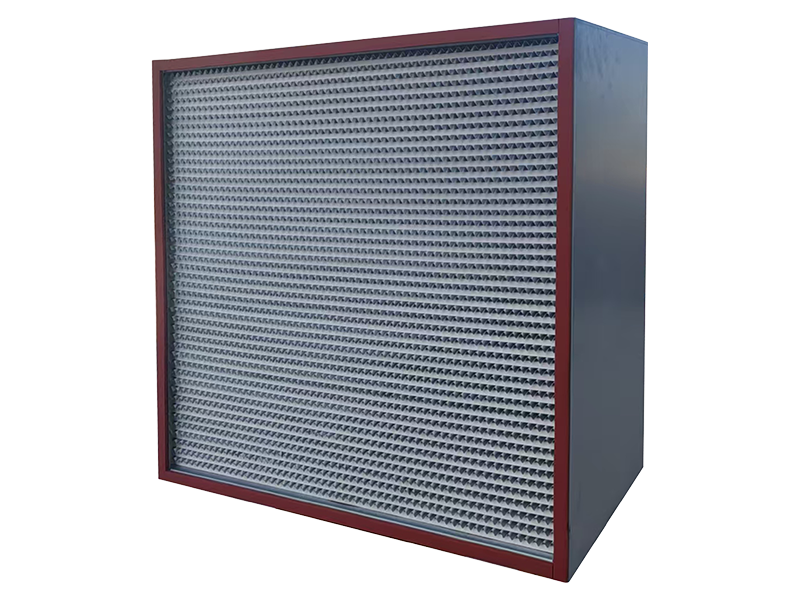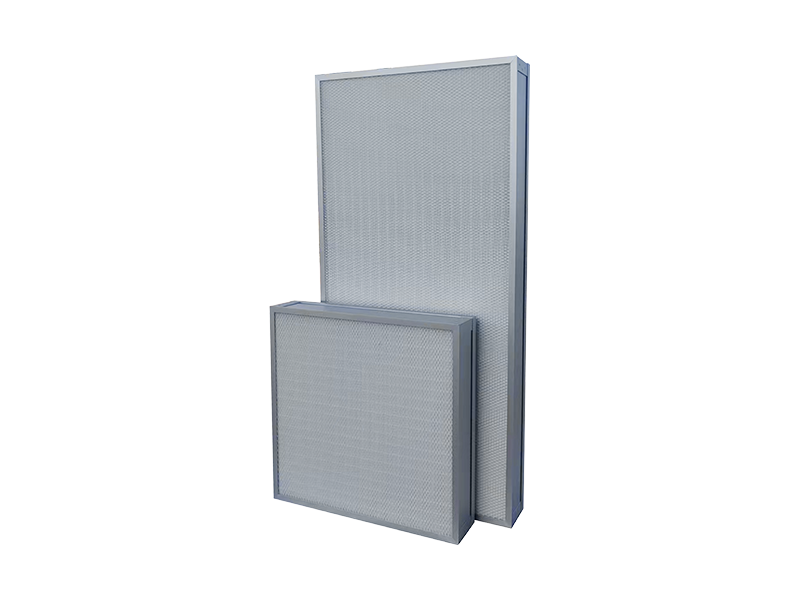
Cleanroom Air Filter Cartridges

ULPA Filter

Filter Manufacturer Safe & Reliable Long Lasting & Stable Customizable
U15-U17 grade ULPA filters are the highest-grade filtration equipment in the cleanroom industry, with filtration efficiency of 99.9995%–99.999995% for ultra-fine particles of ≥0.1–0.2 μm. They are mainly applied in ISO Class 3–4 (Class 1–10) ultra-clean environments and comply with domestic and international industry standards such as GMP and ISO 14644, serving as core purification equipment for semiconductor lithography, nanomaterial preparation, biomedical research and other fields.

Factory Direct Supply

Complete Certifications

Free Technical Guidance

Comprehensive After-sales Service

132 2373 6050

Description:

U15-U17 grade ULPA filters represent the highest tier of filtration equipment in the cleanroom industry, delivering filtration efficiency of 99.9995%–99.999995% for ultra-fine particles sized ≥0.1–0.2 μm. Primarily deployed in ISO Class 3–4 (Class 1–10) ultra-clean environments, they comply with domestic and international standards including GMP and ISO 14644, serving as core purification equipment for semiconductor lithography, nanomaterial synthesis, biomedical research and other industries.

Classified by material and structure, they are divided into PTFE ULPA filters, gel-seal ULPA filters and separator-free ULPA filters.

Core Technical Advantages:

Extreme filtration performance: U17 grade achieves 99.999995% efficiency for 0.1–0.2 μm particles (fewer than 1 particle penetrates per 10 million particles), satisfying requirements of ISO Class 3 (Class 1) cleanrooms. PTFE membrane filter media adopts surface filtration mechanism that prevents particle penetration, featuring low pressure drop and easy dust cleaning, ideal for front-end semiconductor manufacturing with strict cleanliness demands.

Gel sealing: The gel seal design ensures zero leakage, suitable for applications with stringent particle control requirements.

Stainless steel frame: Corrosion-resistant and free of rust particle shedding, applicable to acid & alkali environments and spaces requiring frequent disinfection.

Working Condition Matching Table

Application ScenarioCleanliness ClassRecommended GradeKey Requirements
Semiconductor Lithography (7nm and below)ISO Class 3–4U16/U17PTFE media, stainless steel frame
Nanomaterial R&DISO Class 4U15Low face velocity design
Hard Disk Drive / Precision Optics ManufacturingISO Class 4–5U15Vibration-proof installation
Biomedical R&D (Cell Therapy)ISO Class 5U15 (Local Points)
High-Tech R&D LaboratoriesISO Class 4–5U15/U16

Application Fields:

Terminal purification filtration for high-end ISO Class 1–5 (Class 10 / Class 100) cleanrooms

Core purification for GMP-certified sterile pharmaceutical workshops and biosafety laboratories

Precision terminal filtration for semiconductor, chip, wafer fabrication and microelectronics workshops

Special filtration for medical operating rooms, sterile ICUs

Purification for precision optical instruments, aerospace components and high-end lithium battery production workshops

Customized terminal ultra-efficient filtration solutions

Case & Data Verification:

A wafer fabrication plant originally used traditional glass fiber ULPA filters, which caused high energy consumption due to large pressure drop, and the glass fiber media was prone to damage during installation, storage and maintenance. Custom PTFE ULPA filters were supplied to the customer, featuring only half the pressure drop of glass fiber media and superior durability.

FAQ:

Q1: What are the main differences between ULPA and HEPA filters?

A: ULPA filters achieve higher efficiency (≥99.9995%) targeting smaller particles (0.1–0.2 μm), while HEPA filters deliver 99.95%–99.995% efficiency for 0.3 μm particles. ULPA filters are generally applied in scenarios requiring ISO Class 4 or higher cleanliness, with costs roughly 2–3 times those of HEPA filters.

Q2: Why is PTFE media adopted for ULPA filters?

A: PTFE membrane provides surface filtration characteristics, preventing particles from embedding deep inside the media. It maintains a slow pressure drop rise, resists clogging and extends service life. In addition, it features excellent chemical stability, no AMC adsorption and zero ion leaching, making it suitable for the semiconductor industry.

Q3: Is PAO leak testing required for ULPA filters?

A: Yes, with stricter penetration limits. HEPA filters allow maximum penetration of ≤0.01% (1 particle per 10,000 penetrating), whereas ULPA filters require penetration ≤0.0005% (1 particle per 200,000 penetrating), with far tighter leak testing standards.

Q4: What is the replacement cycle of ULPA filters?

A: U15–U17 grade ULPA filters in semiconductor fabs are generally replaced every 4–5 years. PAO leak testing shall be conducted semi-annually or annually; early replacement is required if leakage exceeds the threshold.


Related Recommendations
首页 电话 TOP