Flame-Retardant Antistatic Filter
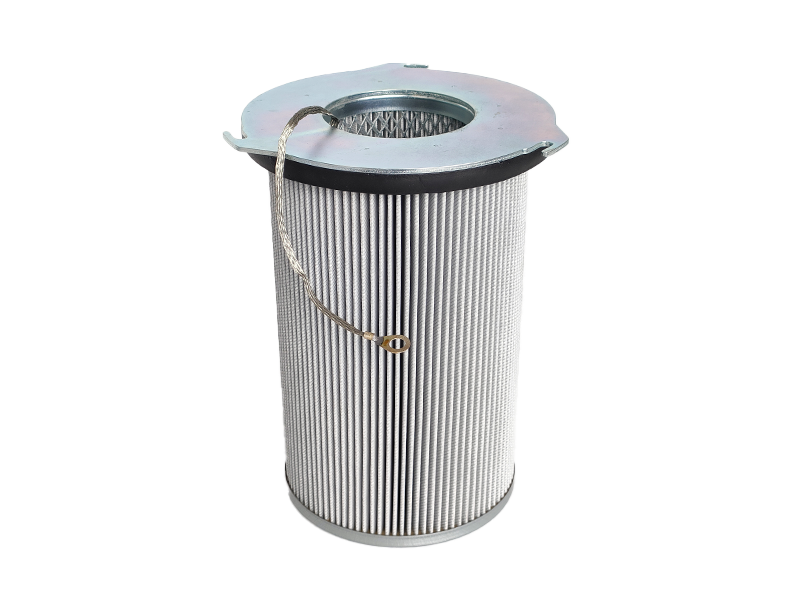
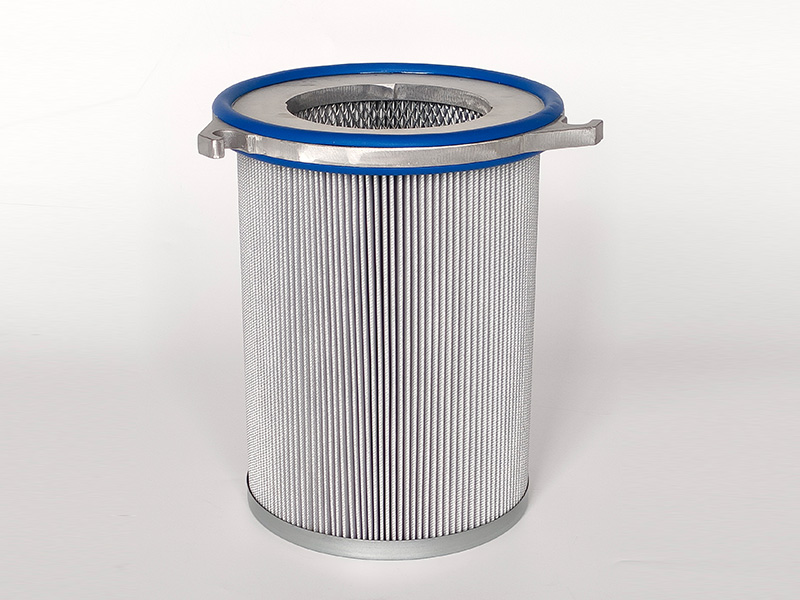
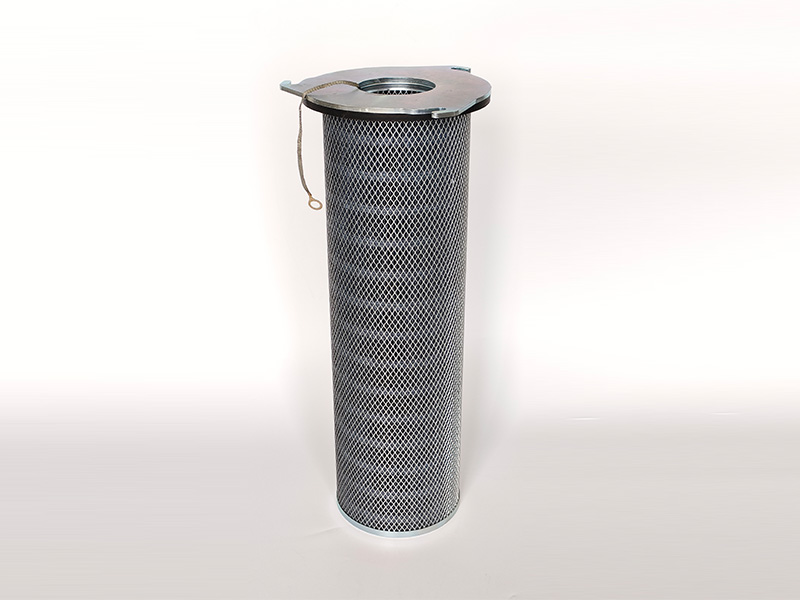
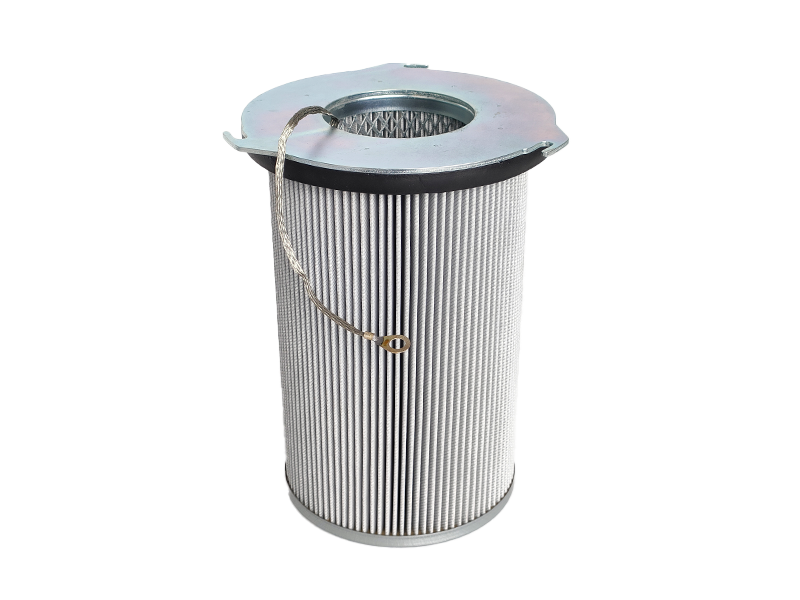
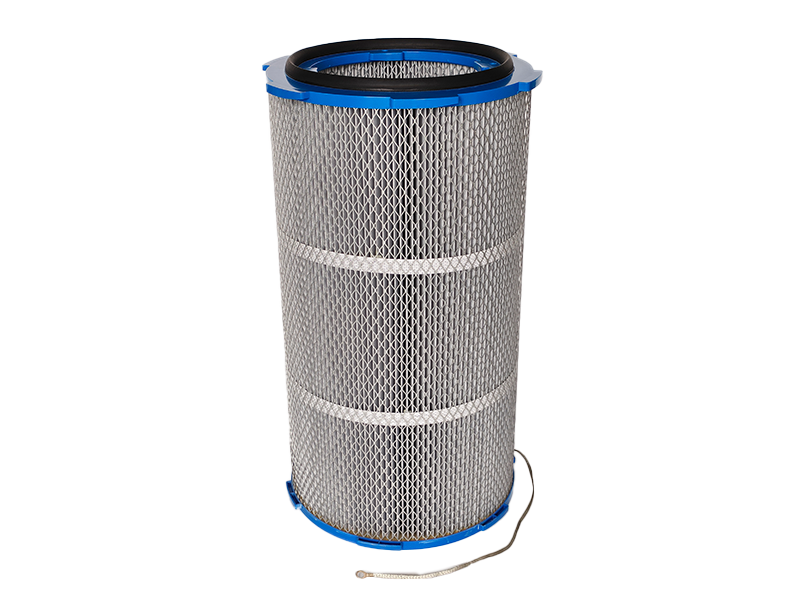
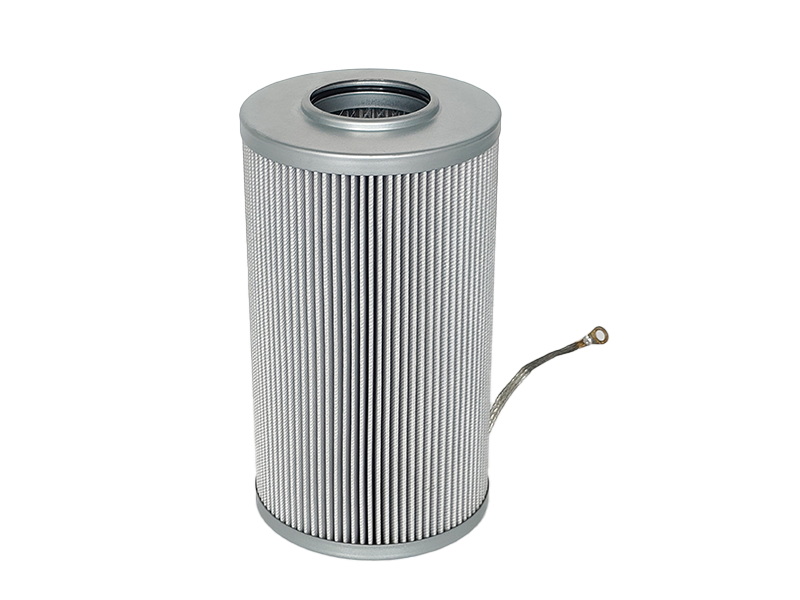
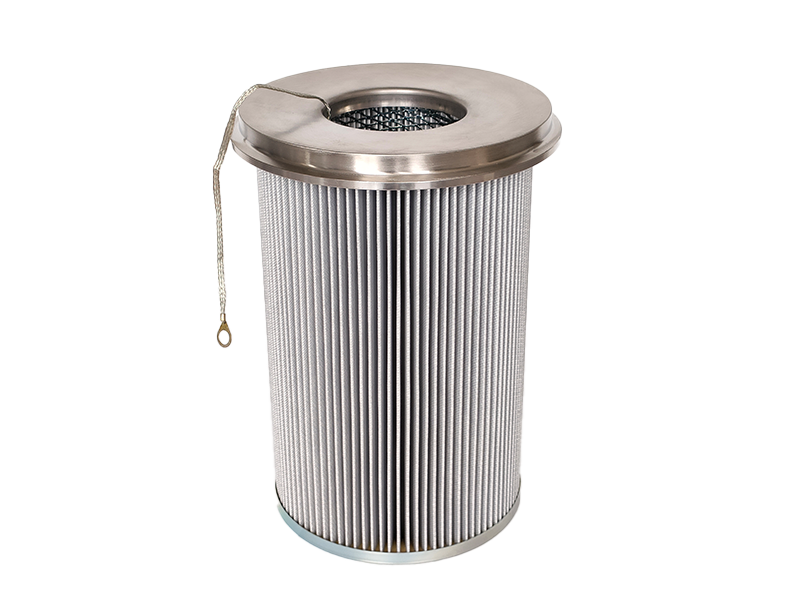
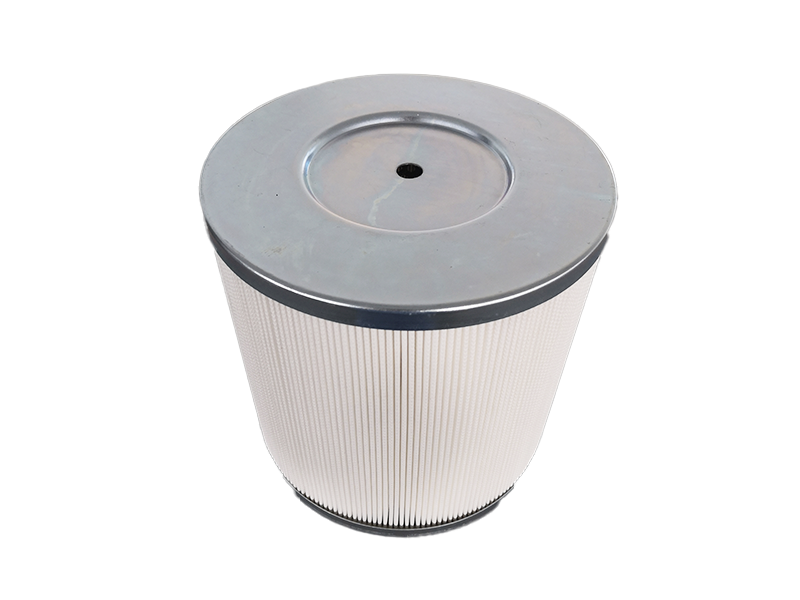
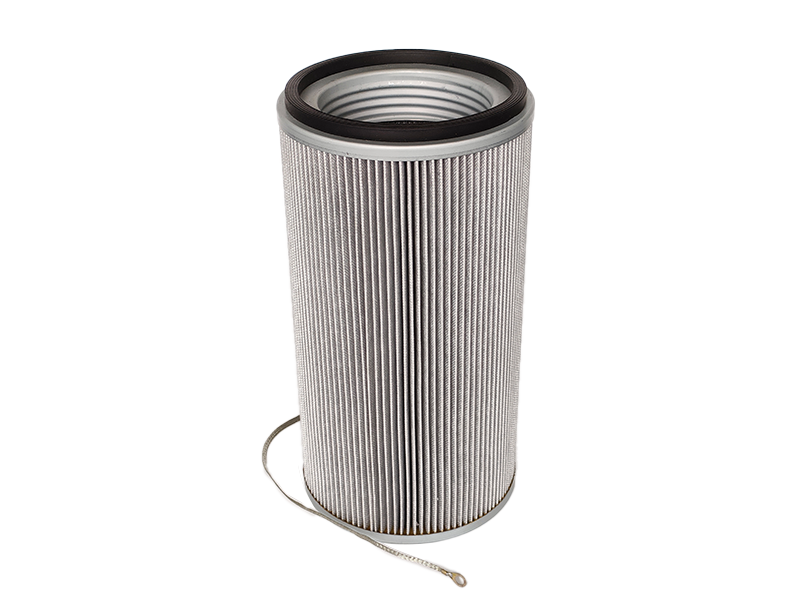
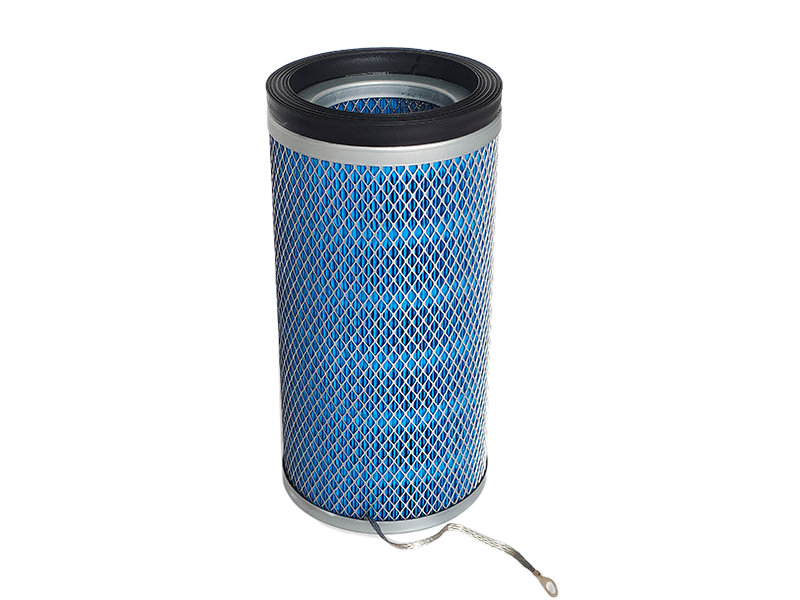
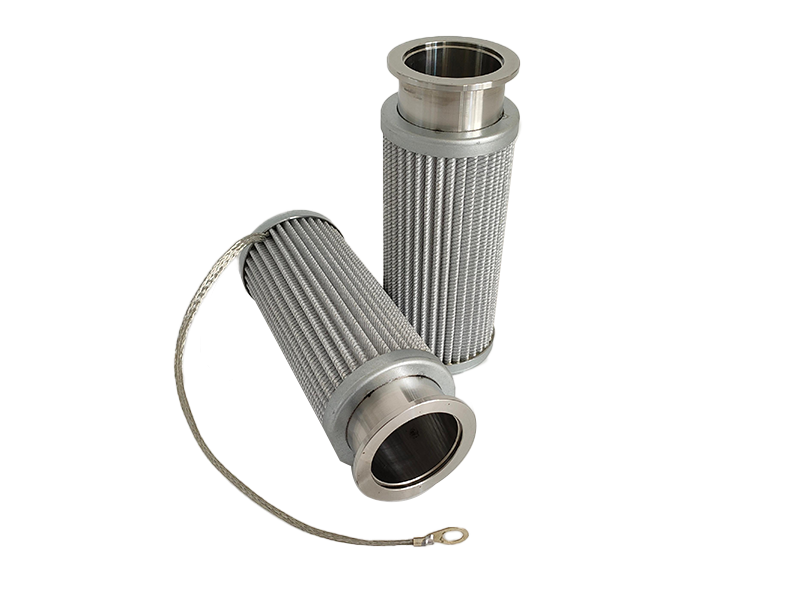
Three-Lug Chuck Flame-Retardant Antistatic Filter Cartridge
Factory Direct Supply
Complete Certifications
Free Technical Guidance
Comprehensive After-sales Service
Description:
Three-lug chuck flame-retardant antistatic filter cartridges are dual-safety filter elements specially developed for metal 3D printing equipment, integrating both flame-retardant and antistatic properties. The three-lug (triangular) chuck interface achieves full locking via a 90° rotation, and is widely applied to mainstream medium and small SLM machines including EOS M290 and SLM 280.
Nano flame retardants and conductive carbon fibers are blended into the polyester fiber substrate to realize integrated flame retardant and antistatic functions. It reaches Grade B flame retardancy in accordance with GB/T 5445-2014 (equivalent to UL94 V-0), with surface resistance stably maintained within the safe range of 10⁶–10⁹Ω. Complying with EN 1822 / ISO 16890 standards, it covers F9–H13 filtration grades with 85%–99.95% capture efficiency for 0.3–0.4μm particles, serving as an essential safety guarantee for printing flammable metal powders such as aluminum and magnesium alloys.
Core Technical Advantages
1. Integrated dual safety protection: Built-in flame-retardant and antistatic performance effectively eliminates combustion and explosion hazards during printing with aluminum and magnesium alloy powders.
2. Quick-mount three-lug chuck design: Standard three-lug chuck interface enables installation and removal by a simple 90° rotation without any tools, drastically cutting equipment downtime.
3. Nano nitrogen-based flame retardant technology: Adopts nano nitrogen-based flame retardants to reach GB/T 5445-2014 Grade B (UL94 V-0). The afterflame time is ≤5 seconds with no molten drips generated, without compromising media air permeability or filtration efficiency.
4. Embedded conductive fiber mesh: Conductive carbon fiber mesh (3%–5% mixing ratio) is evenly embedded inside the media to form a 3D static dissipation network, stabilizing surface resistance at 10⁶–10⁹Ω. Antistatic performance lasts permanently without degradation, independent of surface coatings.
5. Thorough ash cleaning via surface filtration: Optional PTFE membrane lamination creates a surface filtration layer that traps dust on the membrane surface instead of deep inside fibers. Dust sheds easily during pulse backblowing with a pressure drop recovery rate ≥90%.
Application Fields
Metal 3D Printing Equipment:
EOS M290/M400 Series
SLM 280 Series
Domestic Medium & Small SLM/DMLS Equipment
Applicable Printing Materials:
Aluminum Alloy (AlSi10Mg) — Aluminum powder features extremely low ignition energy and requires flame-retardant antistatic filters mandatorily
Magnesium Alloy — Highly prone to combustion and explosion with strict safety requirements
Titanium Alloy (Ti6Al4V) — Titanium powder is flammable; use of this filter is recommended
Other Reactive Metal Powders
Explosion-Proof Required Workplaces:
Aerospace & Aviation Component Manufacturing
Automotive Lightweight Part Production
Medical Implant Fabrication
FAQ
Q1: Why are both flame-retardant and antistatic functions required simultaneously?
A: Printing with aluminum, magnesium and similar powders involves two distinct risks: static buildup may generate sparks to ignite dust; once combustion occurs, flame retardancy blocks flame spread. Single-layer protection cannot guarantee safety, so both functions are indispensable.
Q2: Which grade is superior, UL94 V-0 or GB/T 5445 Grade B?
A: UL94 V-0 allows afterflame time ≤10 seconds, while GB/T 5445 Grade B restricts afterflame time to ≤5 seconds. Both represent high flame retardancy grades. Corresponding grades can be provided per customer standards.
Q3: Will flame-retardant and antistatic treatment affect filtration efficiency?
A: No. Nano flame retardants and conductive fibers are added in tiny proportions (<5%) and evenly distributed inside fibers, leaving the media pore structure and filtration performance unaffected. The filtration efficiency remains above 99.95% after membrane lamination.
Q4: What precautions should be taken during three-lug chuck installation?
A: Confirm the sealing gasket is intact and chuck jaws are precisely aligned, then rotate 90° to the locked position. Perform a PAO leak test after installation to verify tight sealing before equipment startup.
product list
Consult Now:
132 2373 6050

Scan QR Code

Scan QR Code
返回顶部
扫一扫 关注我们