Flame-Retardant Antistatic Filter
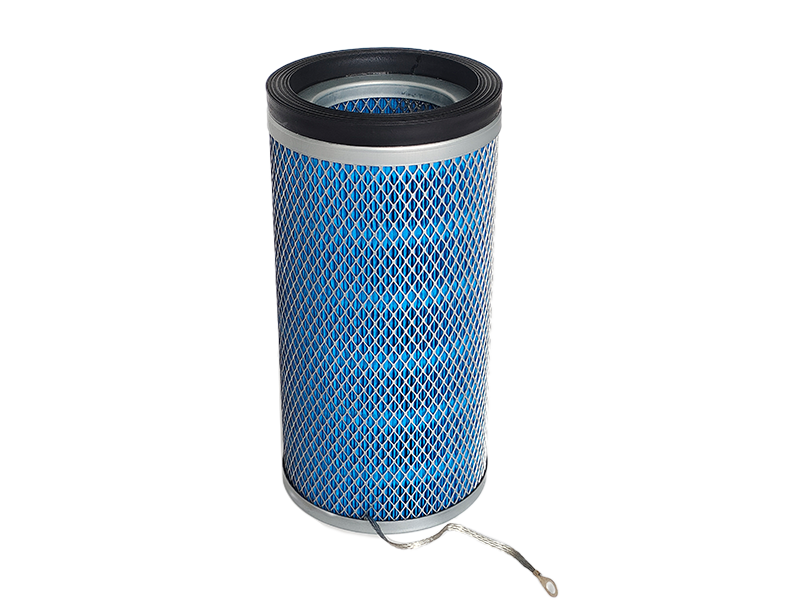
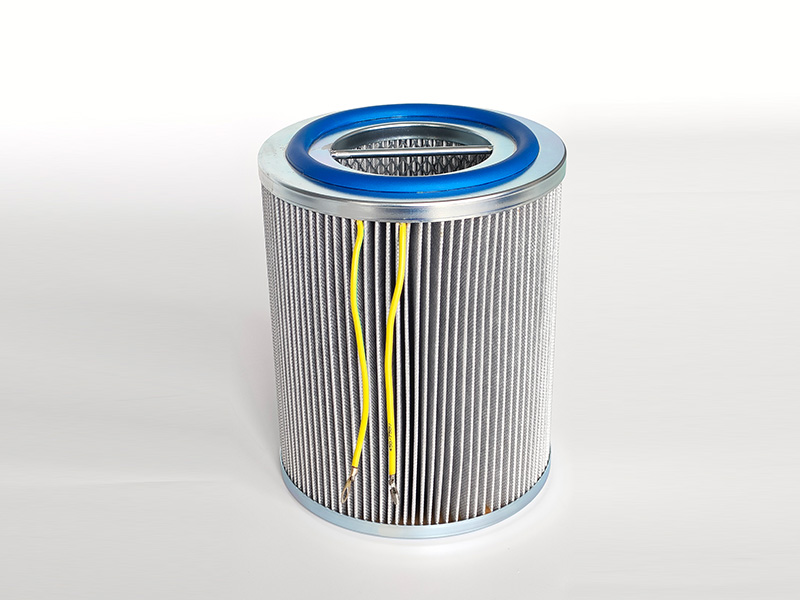
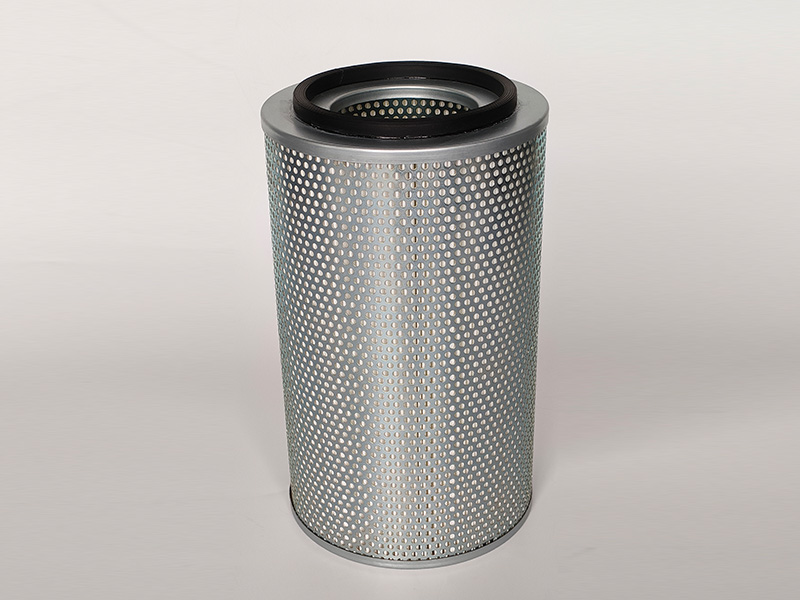
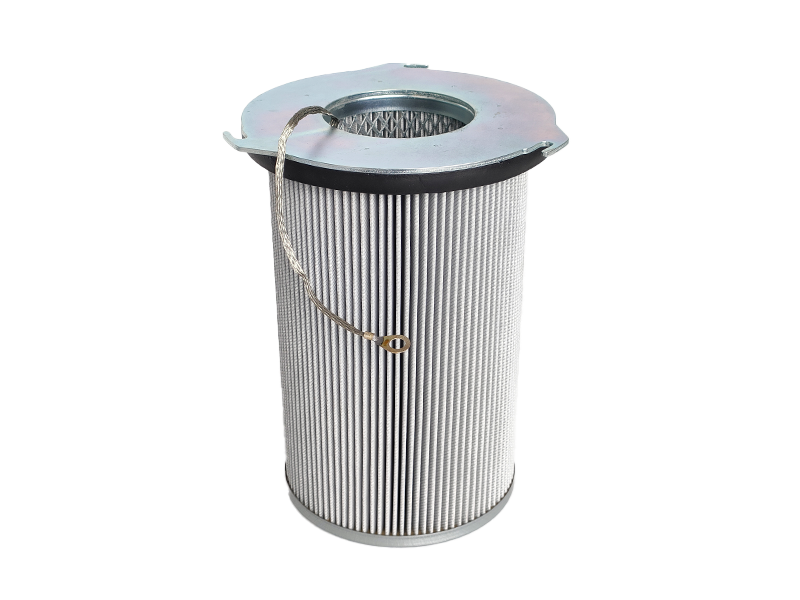
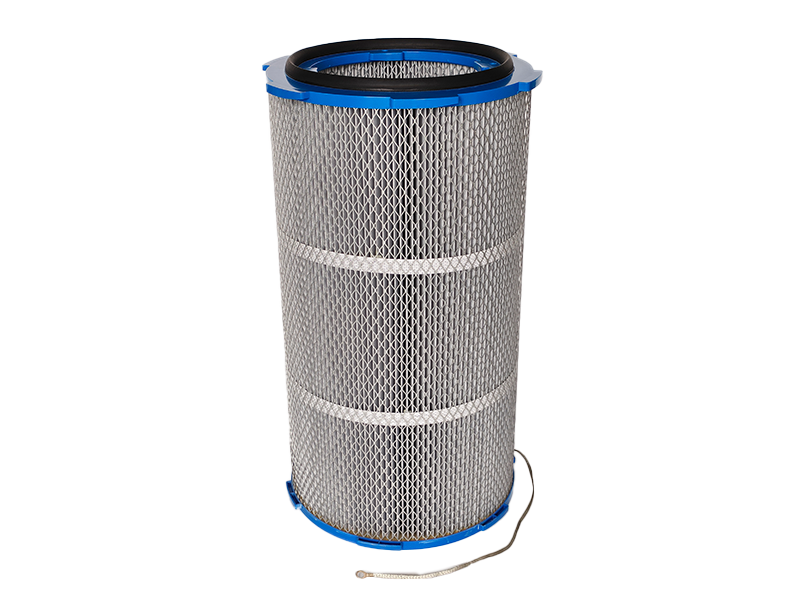
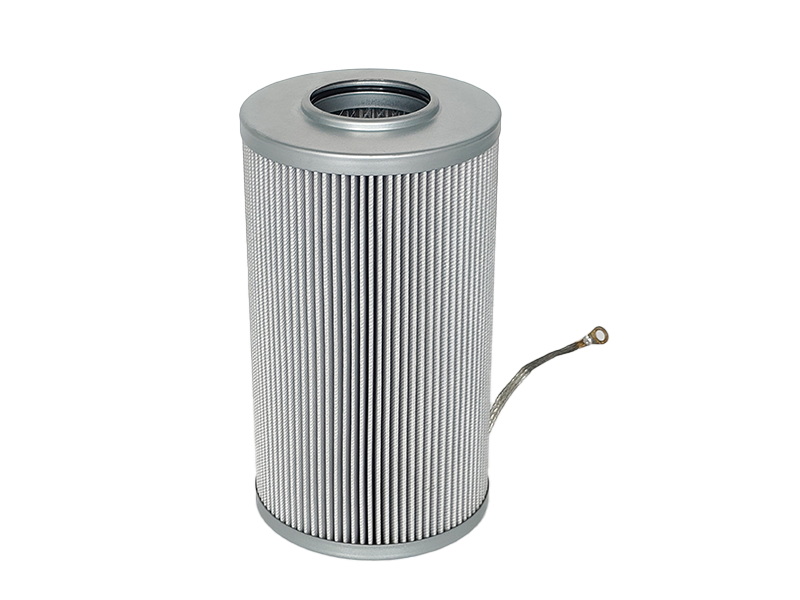
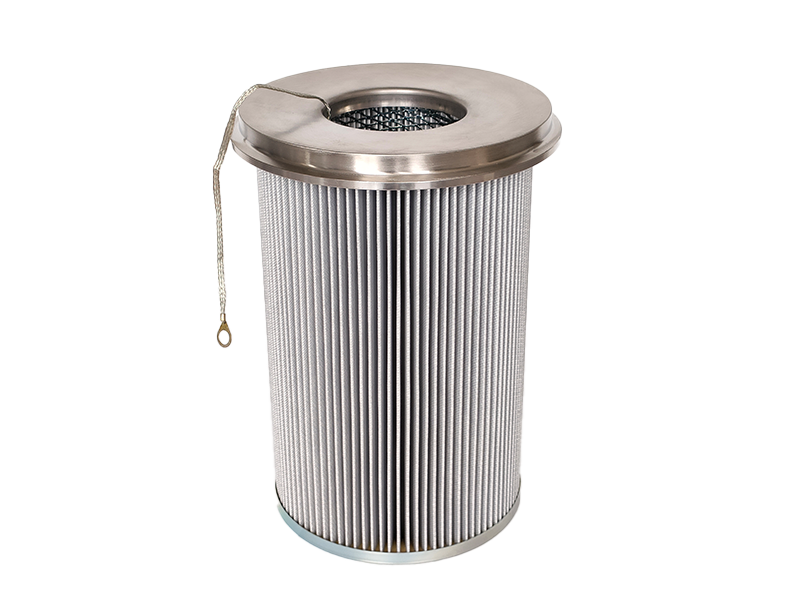
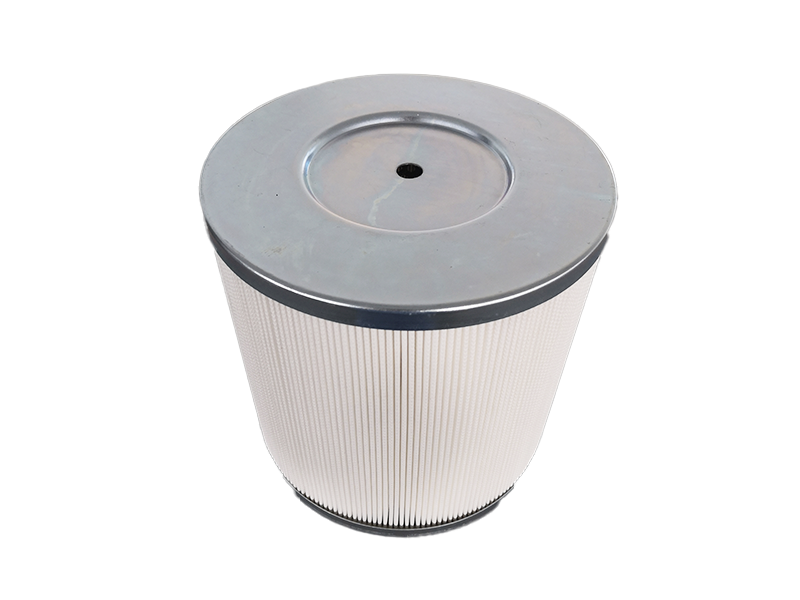
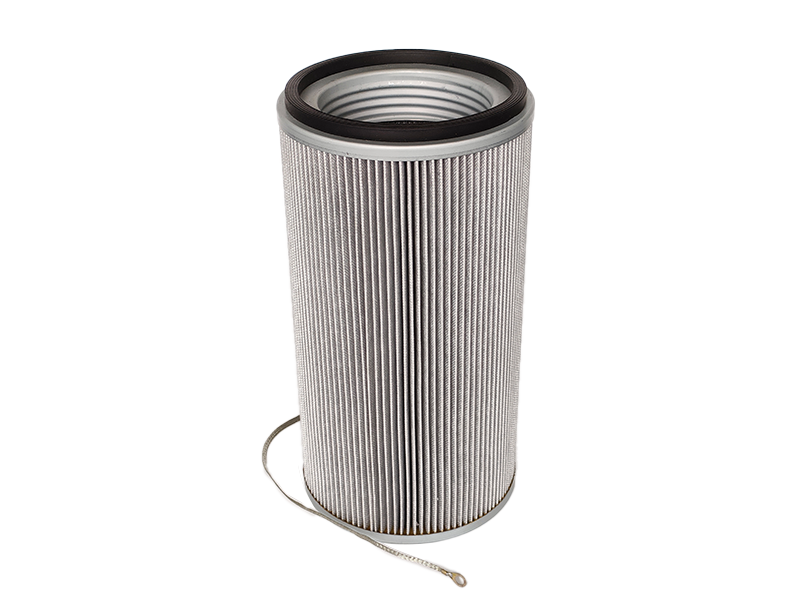
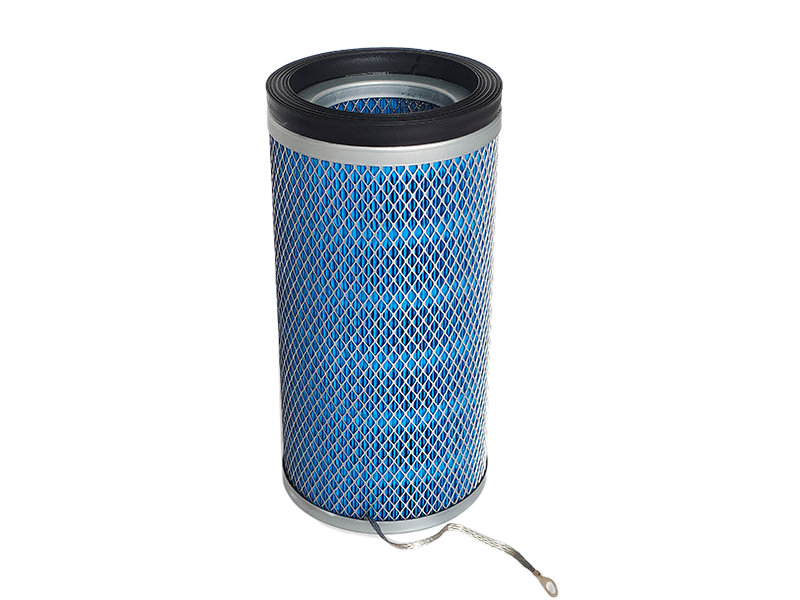
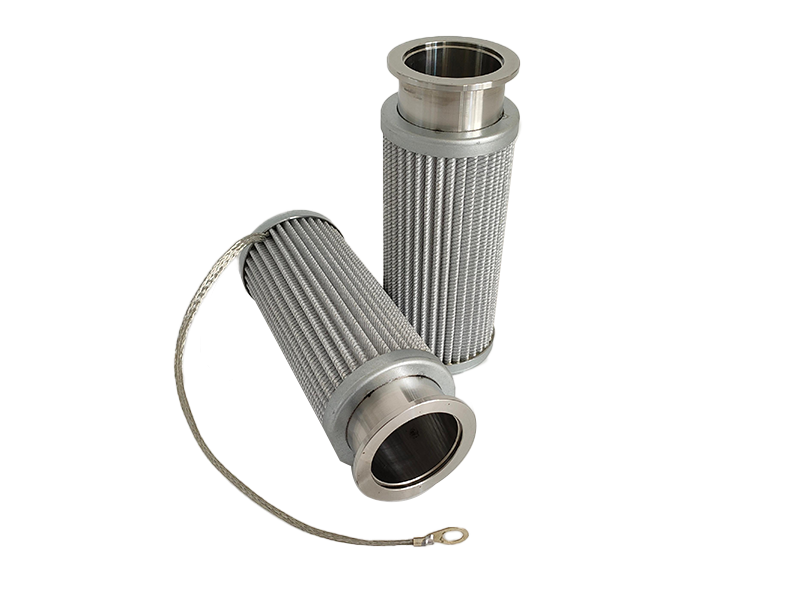
Flat-Pressed Flame Retardant & Antistatic Filter Cartridge
Factory Direct Supply
Complete Certifications
Free Technical Guidance
Comprehensive After-sales Service
Description:
Flat-pressed flame-retardant antistatic filter cartridges rely on the equipment cover plate or compression device to press directly against the filter end face for sealing, without complex connecting structures such as threads, chucks or tie rods. Featuring an extremely simple structure, this type is suitable for small-scale equipment, compact spaces or retrofitting of old equipment.
This filter media is treated with nano flame retardants and surface conductive treatment, reaching Grade B flame retardancy per GB/T 5445-2014 with surface resistance ≤10⁹Ω. Complying with EN 1822 / ISO 16890 standards, it covers F9-H13 filtration grades and delivers 85%–99.95% filtration efficiency for 0.3–0.4μm particles. The flat-pressed design enables extremely easy filter replacement simply by releasing the compression device.
Core Technical Advantages
Dual safety protection: Equipped with both nano flame retardant treatment and surface conductive treatment, it achieves Grade B flame retardancy (afterflame time ≤5 seconds) and surface resistance ≤10⁹Ω, delivering complete safety protection in confined spaces.
Space-saving compact design: The flat-pressed structure requires no extra space for rotation or wrench operation, especially applicable to equipment with severely limited internal space and retrofitting of legacy machines.
Multiple optional filter media configurations: Ordinary polyester, PTFE membrane-coated, flame-retardant, antistatic, and combined flame-retardant & antistatic media are selectable according to working conditions to flexibly meet diverse safety requirements.
Working Condition Matching Table
| Application Scenarios | Interface Feature | Filtration Precision | Flame Retardancy Grade | Sealing Type | Recommended Replacement Cycle |
| Compact Filtration Units | Flat-pressed | F9-H13 | Grade B | End-face sealing gasket | 800–1500 h |
| Custom Small-Size Equipment | Flat-pressed | F9 | Grade B | Silicone gasket | 500–1000 h |
| Safety Retrofit for Legacy Equipment | Flat-pressed | H13 | Grade B | Subject to original design | Subject to actual conditions |
Application Fields
Compact Filtration Equipment:
Internal filter units for small 3D printing equipment
Filtration systems with limited equipment space
Laboratory-grade 3D printing equipment
Safety Upgrade for Legacy Equipment:
Older machines without built-in flame-retardant and antistatic functions
Safety retrofitting for equipment originally fitted with standard filter cartridges
Applicable Materials:
Aluminum alloy (small-batch / R&D production)
Stainless steel
Tool steel
Case & Data Verification
Case: Safety Upgrade Retrofit of Small 3D Printing Equipment in a Research Institute
A research institute’s small 3D printer originally used ordinary filter cartridges for aluminum alloy printing, carrying potential safety hazards. Flat-pressed flame-retardant antistatic filter cartridges were adopted for safety retrofitting, featuring Grade B flame retardancy (4 seconds of afterflame) and surface resistance of 8.2×10⁸Ω. Tight sealing is achieved after locking the compression device; no safety incidents occurred during aluminum alloy printing, with a filter replacement cycle of around 800 hours.
FAQ
Q1: How does the flat-pressed filter cartridge ensure reliable sealing?
A: An end-face sealing gasket (silicone, fluoroelastomer or foamed sealing strip) is installed. The compression device compresses the gasket to form a tight seal. Sufficient compression force and intact, undamaged gaskets are required.
Q2: Are flat-pressed filter cartridges suitable for high differential pressure working conditions?
A: Flat-pressed sealing relies on friction generated by compression force. It may be pushed open and cause leakage under high differential pressure, so it is only applicable to medium and low differential pressure scenarios.
Q3: What points should be noted when using flame-retardant antistatic filter cartridges for legacy equipment retrofitting?
A: Verify the flatness of equipment sealing surfaces, normal operation of compression devices and reliable grounding systems. PAO leak testing and grounding resistance testing are recommended after installation.
product list
Consult Now:
132 2373 6050

Scan QR Code

Scan QR Code
返回顶部
扫一扫 关注我们