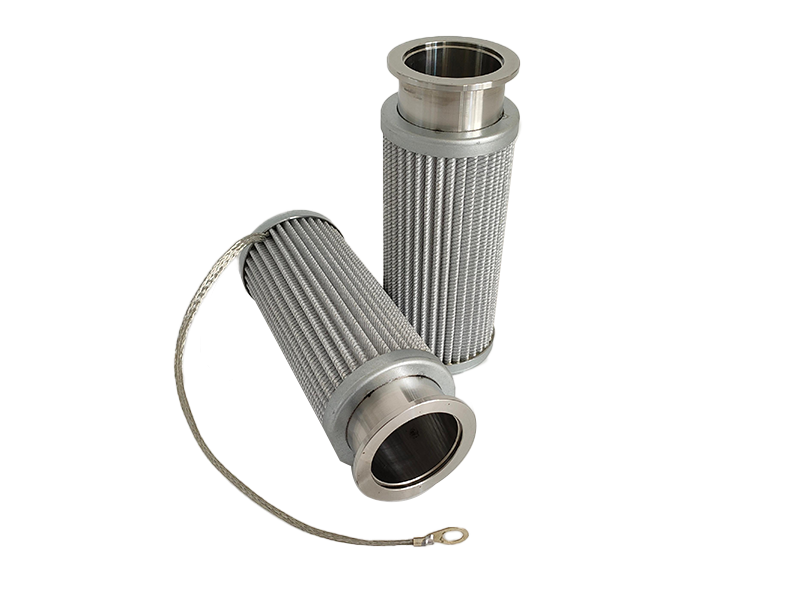
Flame-Retardant Antistatic Filter

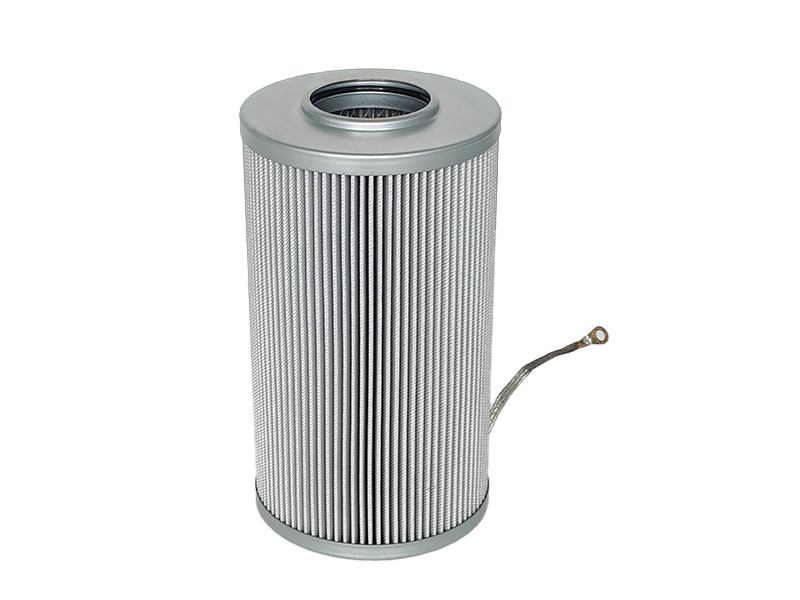
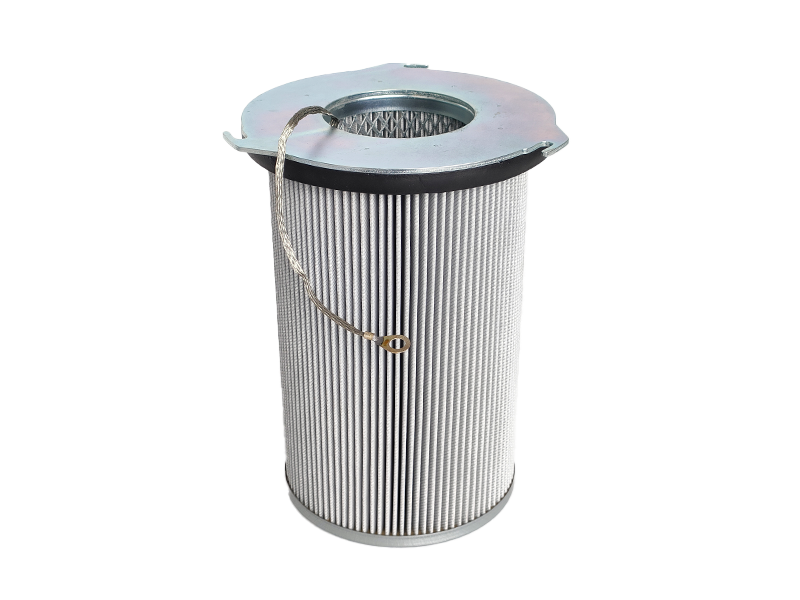
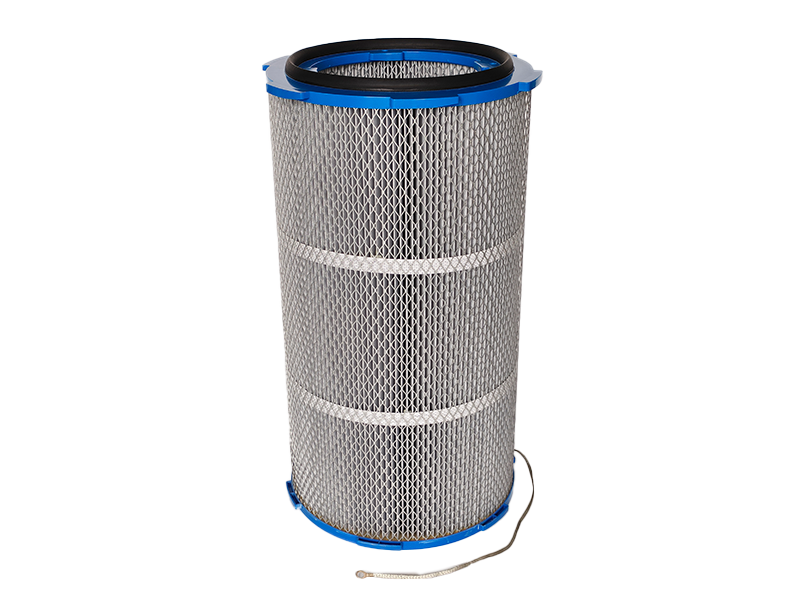
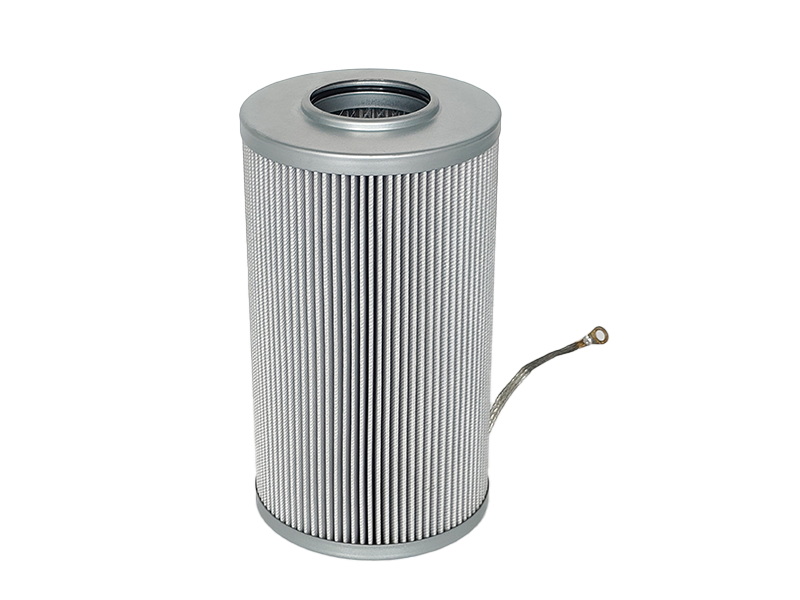
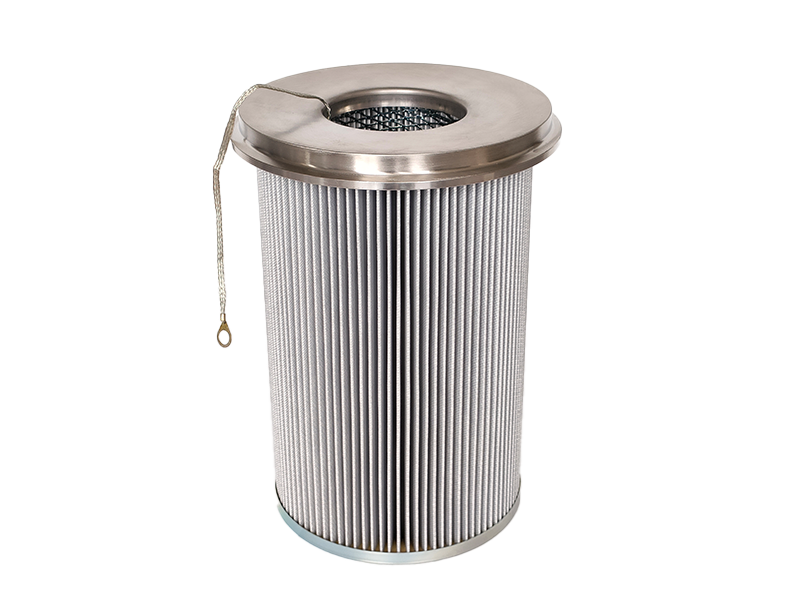
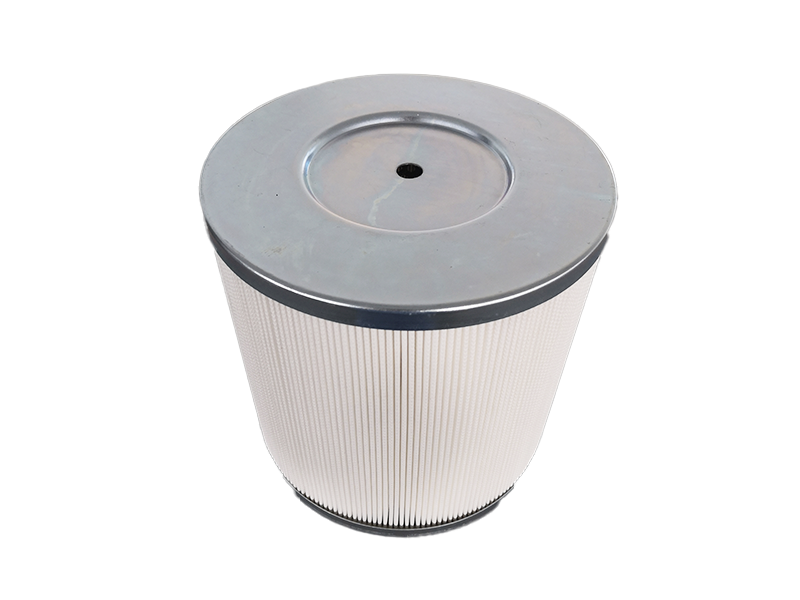
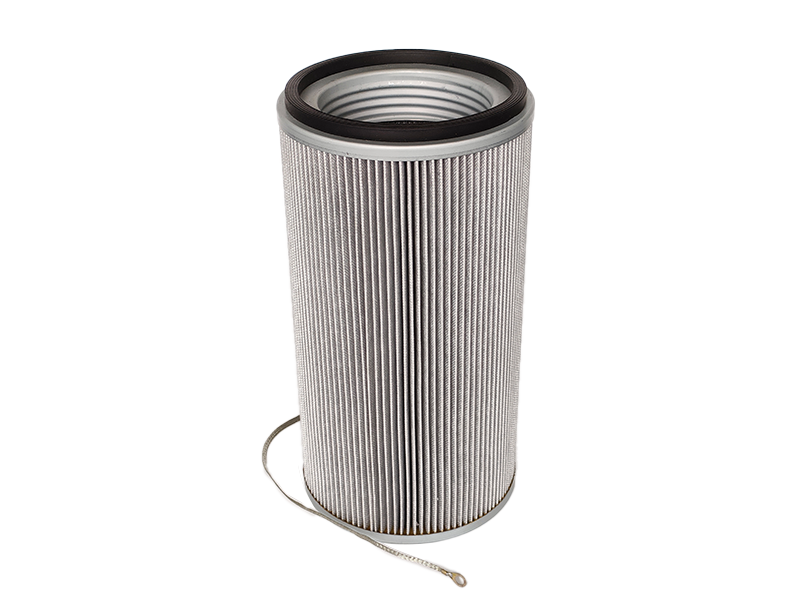
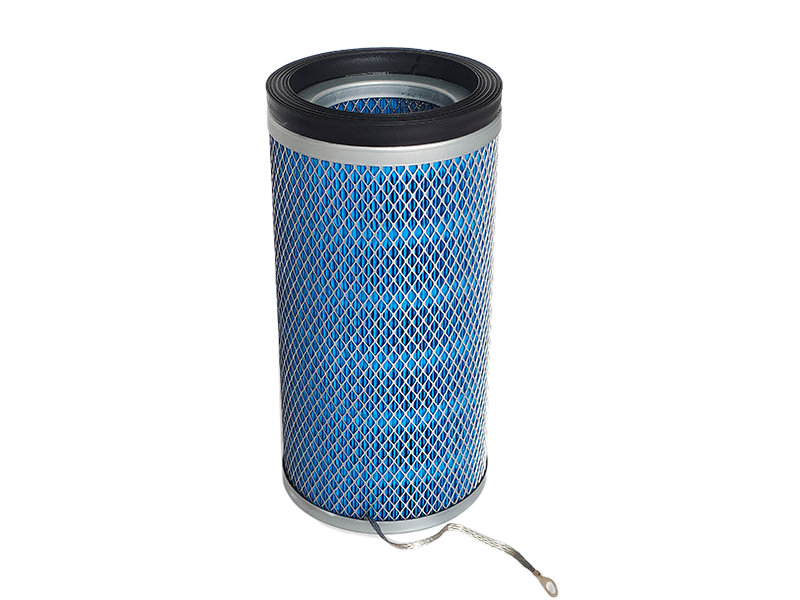
Internal O-Ring Insert Flame-Retardant Antistatic Filter Cartridge

Filter Manufacturer Safe & Reliable Long Lasting & Stable Customizable
Internal O-ring insert flame-retardant antistatic filter cartridges are fitted with an O-ring seal on the inner side of end caps. They can be directly inserted into the sleeve of equipment filter chambers, and radial sealing is realized by the contact between the O-ring and the inner wall of the sleeve. Featuring simple structure and reliable sealing, this interface type is mainly applied to equipment such as early-generation SLM 280 and EOS M280.

Factory Direct Supply

Complete Certifications

Free Technical Guidance

Comprehensive After-sales Service

132 2373 6050

Description:
Internal O-ring insert flame-retardant antistatic filter cartridges are equipped with an O-ring seal on the inner side of the end cap. The cartridge is directly inserted into the sleeve of the equipment filter chamber, and radial sealing is formed between the O-ring and the inner wall of the sleeve. Featuring simple structure and reliable sealing, this interface type is mainly applied to early-generation SLM 280, EOS M280 and other similar equipment.

The filter media is treated with nano flame retardants and embedded with conductive fibers, reaching Grade B flame retardancy per GB/T 5445-2014 with surface resistance ≤10⁹Ω. Compliant with EN 1822 standard, it achieves H13 filtration grade with ≥99.95% capture efficiency for 0.3μm particles and initial resistance ≤220Pa. The O-ring is made of fluoroelastomer with excellent heat and corrosion resistance to guarantee long-term sealing performance.

Core Technical Advantages

Simplified insert design: The filter cartridge slides directly into the filter chamber sleeve without additional fasteners such as chucks or flanges. The compact structure occupies minimal space and fits equipment with confined internal cavities.

Dual safety protection: Nano flame retardants prevent media combustion upon exposure to flame, while embedded conductive fibers rapidly dissipate static electricity, meeting dual flame-retardant and antistatic requirements for aluminum alloy printing.

Carburized surface for auxiliary conductivity: A supplementary conductive layer is formed via surface carburization on the filter media to further lower surface resistance and provide redundant reliable static dissipation pathways.

PTFE membrane filtration: The air-facing side is laminated with PTFE microporous membrane with pore size below 200nm, delivering ≥99.95% interception efficiency for submicron metal fume.

Application Fields

Applicable Equipment:

SLM 280 (Internal O-ring insert interface)

EOS M280

Other 3D printers adopting insert-type design

Applicable Materials:

Aluminum Alloy (AlSi10Mg)

Titanium Alloy (Ti6Al4V)

Stainless Steel (316L)

Cobalt-Chromium Alloy (CoCr)

Case & Data Verification

Case: Safety Upgrade of SLM 280 Equipment in a Scientific Research Institute

An early-generation SLM 280 printer in a research institute originally fitted with ordinary filters posed safety risks during aluminum alloy printing. After replacement with internal O-ring insert flame-retardant antistatic filter cartridges, the filter reaches Grade B flame retardancy (3 seconds of afterflame) with surface resistance of 8.7×10⁸Ω. The cartridge slides smoothly into place with tight O-ring sealing, and no safety incidents occurred after 1800 hours of continuous operation.

FAQ

Q1: How to confirm the internal O-ring insert filter cartridge is fully seated?

A: Resistance can be felt as the O-ring passes through the sleeve inlet, followed by a distinct hard stop when fully bottomed out. Some machines feature locking devices or alignment marks for position verification.

Q2: Are flame-retardant antistatic filter cartridges suitable for titanium alloy printing?

A: Yes. Titanium alloy printing generates high-temperature fume; flame retardancy stops sparks from igniting the filter media, and antistatic performance avoids static charge accumulation.

Q3: Will internal O-ring insert filters loosen under vibration?

A: Under standard design, radial friction from the O-ring combined with limit structures inside the filter chamber firmly secures the cartridge against vibration. Check if the O-ring size matches the sleeve if loosening occurs.

Related Recommendations
首页 电话 TOP