Antistatic Filter

Flat-Press Antistatic Filter Cartridge

Filter Manufacturer Safe & Reliable Long Lasting & Stable Customizable
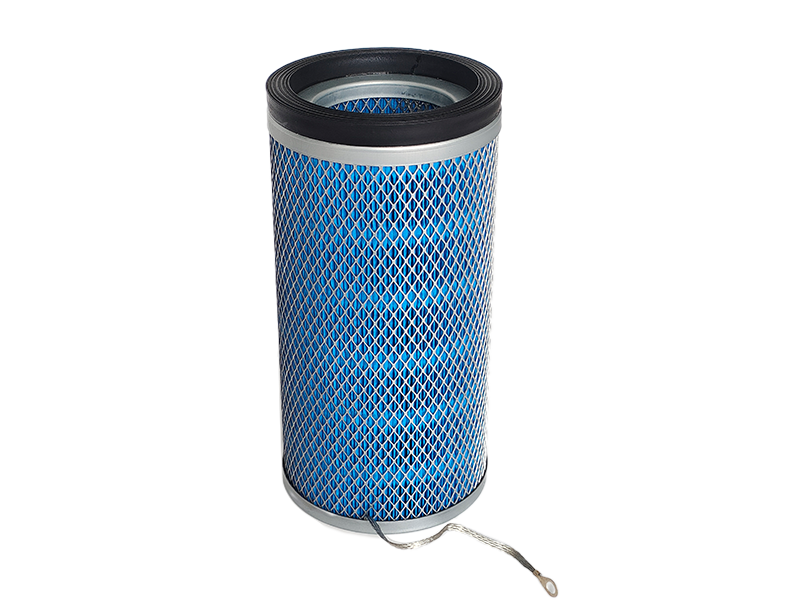
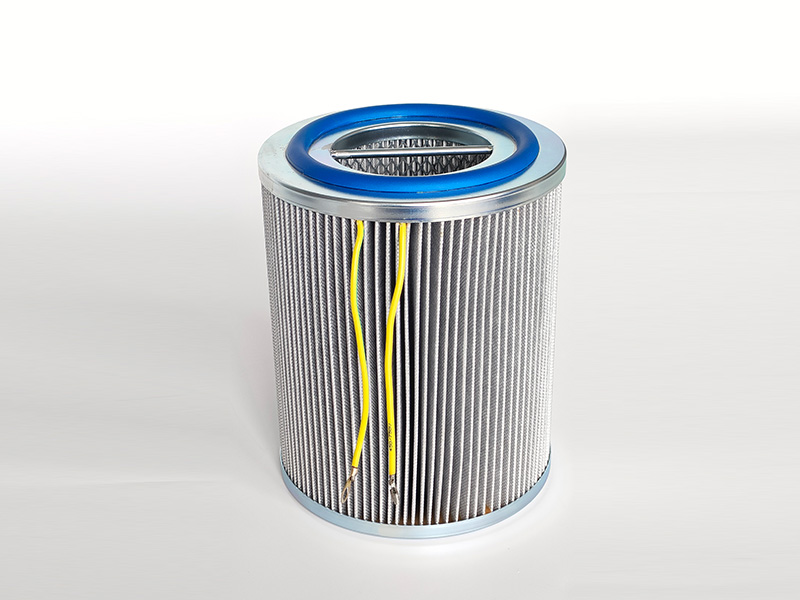
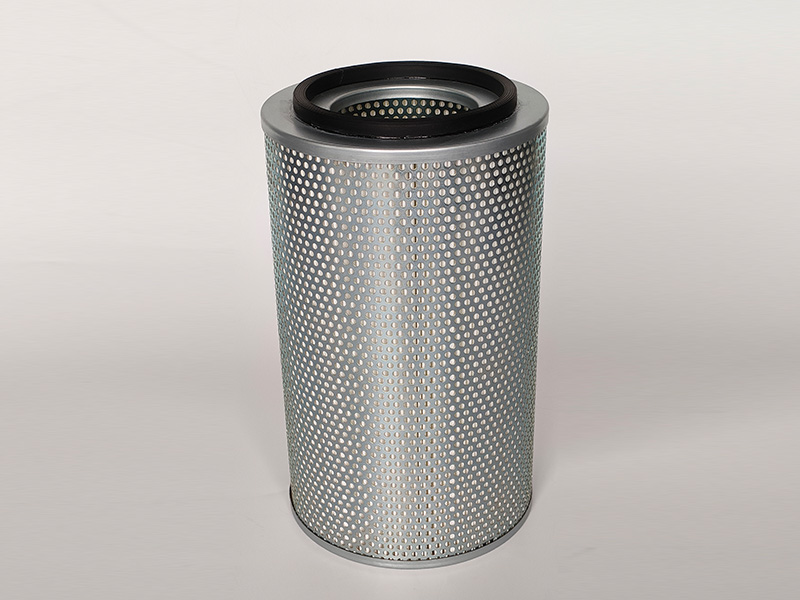
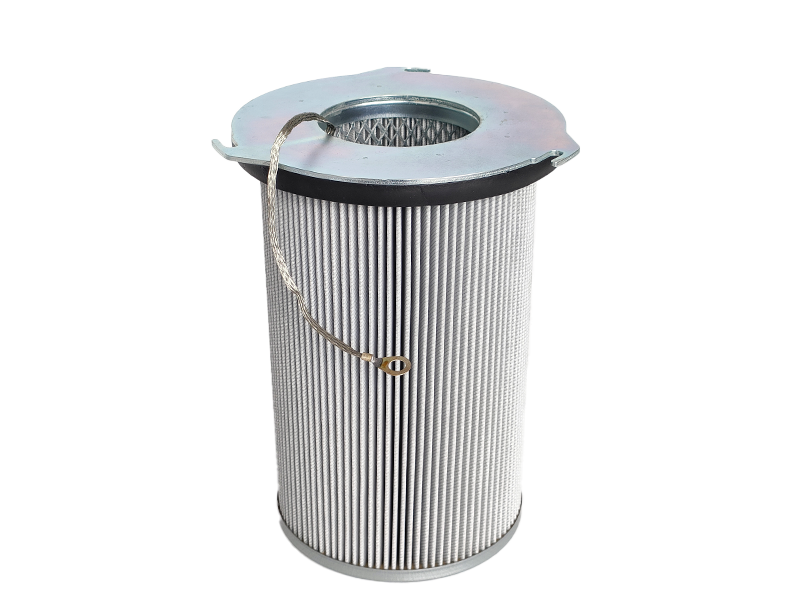
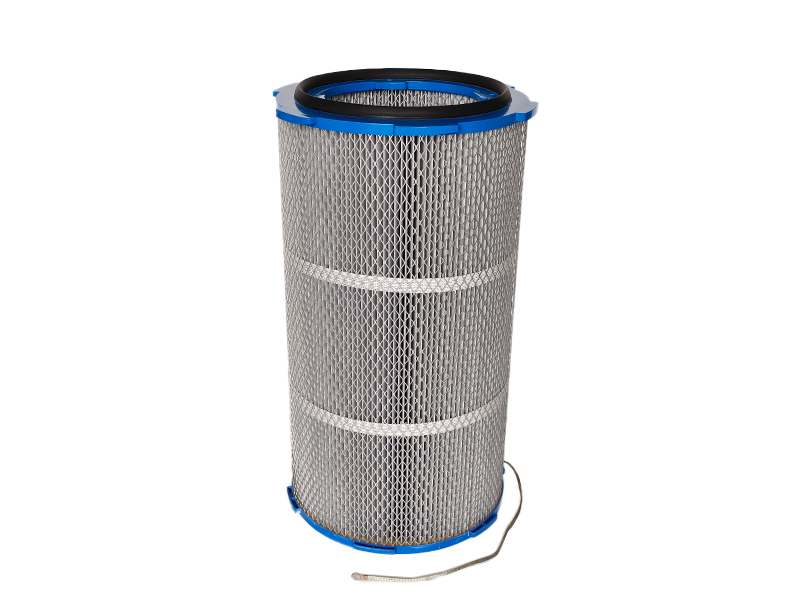
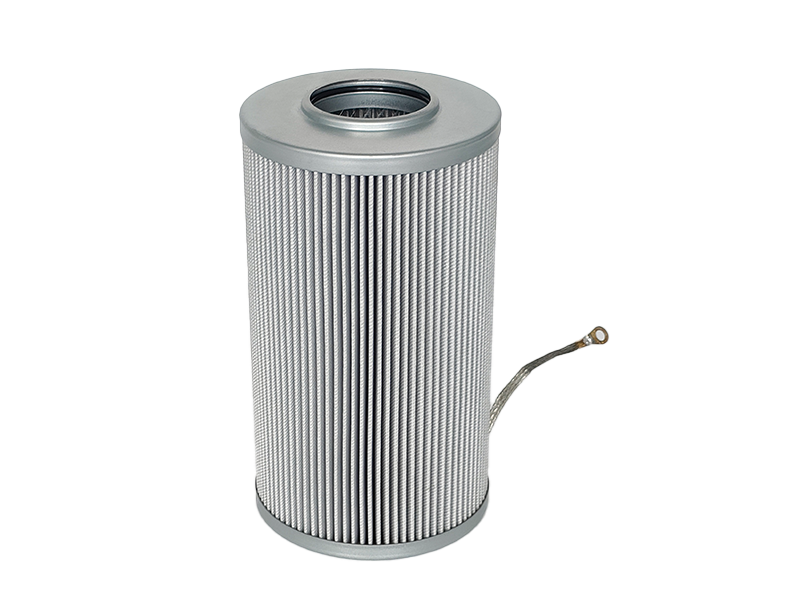
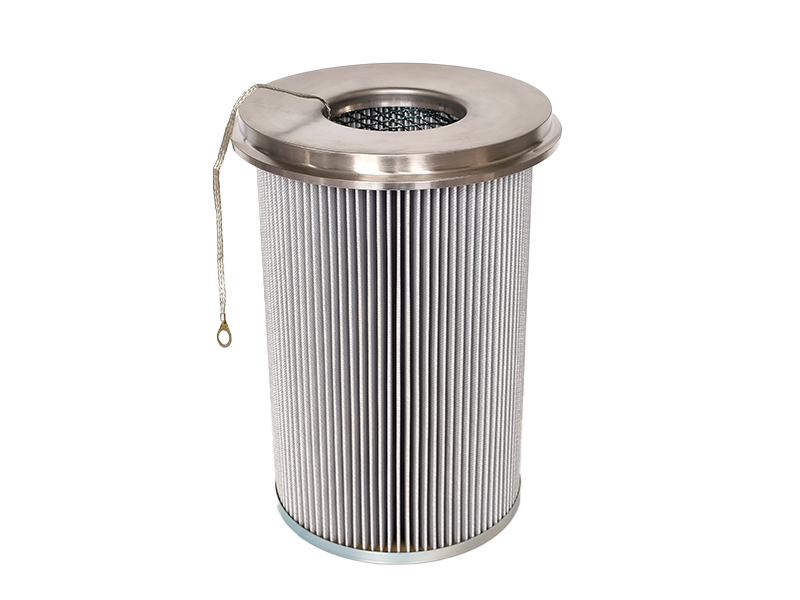
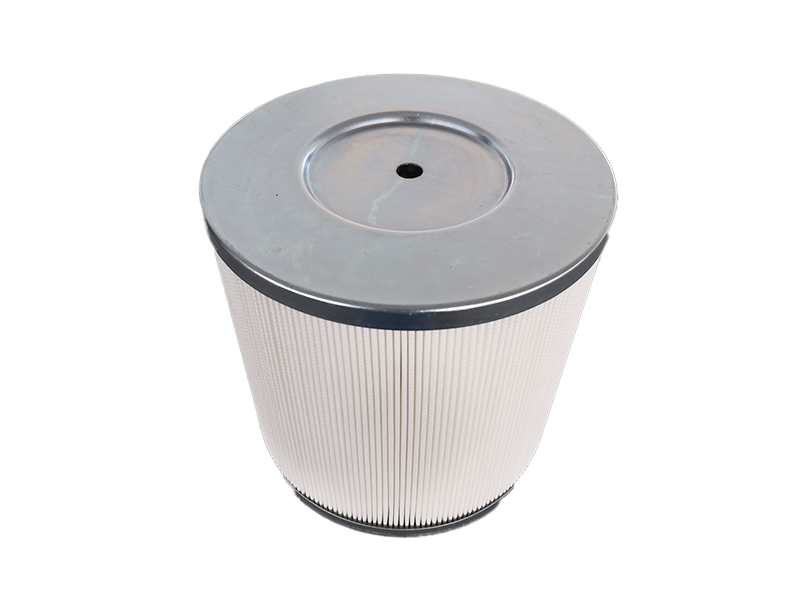
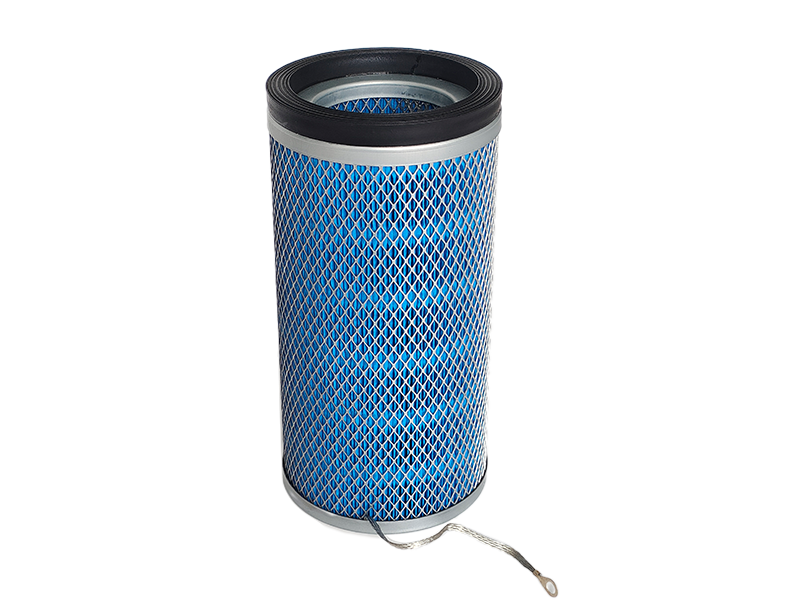
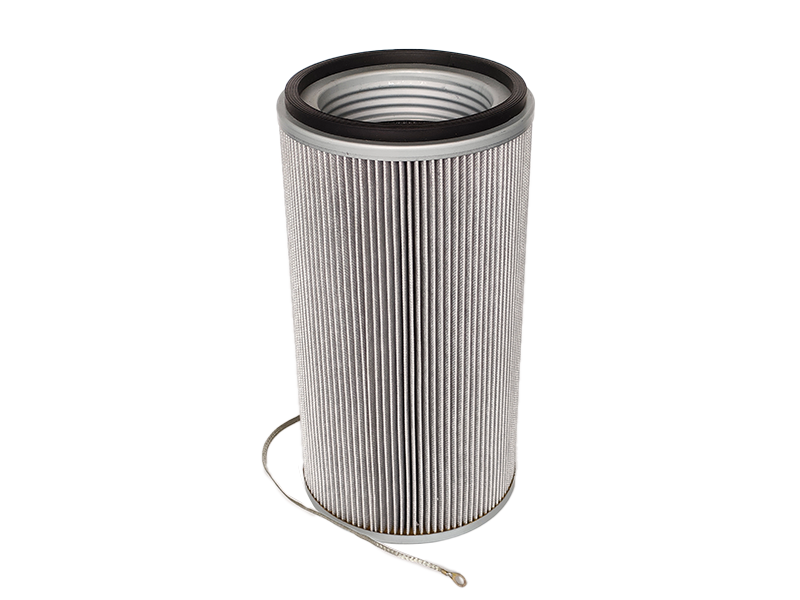
Flat-press antistatic filter cartridges are filter elements sealed via end-face compression. The equipment cover or compression device presses tightly against the filter’s end face to form a seal, eliminating complex connecting structures such as threads or lugs. Featuring a simple layout, this type fits filtration systems with confined installation space or special assembly requirements.

Factory Direct Supply

Complete Certifications

Free Technical Guidance

Comprehensive After-sales Service

132 2373 6050

Description:

Flat-press antistatic filter cartridges are filter elements sealed by end-face compression. The equipment cover or compression device presses directly against the filter end face to form a tight seal, without complex connecting structures such as threads or lug chucks. Boasting a simple structure, this type suits filtration systems with narrow installation space or special assembly requirements.

The filter media is treated for antistatic performance with surface resistance ≤10⁹Ω. Complying with EN 1822 / ISO 16890 standards, it covers F9–H13 filtration grades, achieving 85%–99.95% capture efficiency for 0.3–0.4μm particles. The flat-press design enables extremely easy filter replacement; the cartridge can be taken out simply by releasing the compression assembly.

Core Technical Advantages

Ultra-simple assembly structure: No threads, lug chucks or tie rods; sealing is realized purely via end-face compression from the clamping unit. Replacement steps are straightforward: release the compressor, remove the used cartridge, insert a new one and re-tighten.

Safety guaranteed by antistatic treatment: The media surface is coated with conductive layers or embedded with conductive fibers to keep surface resistance ≤10⁹Ω. It rapidly dissipates static charges accumulated on the filter and prevents spark discharge that may ignite metal powders.

Space-saving compact design: The flat-press structure requires no extra clearance for rotation or wrench operation, making it ideal for equipment with highly confined internal space.

Diversified optional media configurations: Standard polyester, PTFE membrane-laminated, antistatic and flame-retardant media are optional to flexibly match various working conditions.

Application Fields

Internal filtration units of small-size 3D printing equipment

Filtration systems with limited internal installation space

Applicable Materials:

Stainless Steel

Tool Steel

Aluminum Alloy (antistatic version required)

Case & Data Verification

Case: Filter Upgrade for Small-Size 3D Printing Equipment in a R&D Institute

A research institute replaced the original filter of its compact small 3D printer with flat-press antistatic cartridges due to extremely limited filter chamber space. The measured surface resistance reached 7.5×10⁸Ω. Tight sealing was maintained after locking the compression device, and no static-induced safety hazards occurred during aluminum alloy printing. The filter replacement cycle is approximately 1000 hours.

FAQ

Q1: How does a flat-press filter ensure tight sealing?
A: A sealing pad (silicone, fluoroelastomer or foamed sealing strip) is fitted on the end face. Compression from the clamping unit compresses the pad to form an airtight seal. Ensure sufficient clamping force and intact, undamaged sealing pads.

Q2: How to control the compression force for flat-press filters?
A: Most compression devices feature travel limit stops or elastic components; stop tightening once the limit position is reached. Over-compression shall be avoided to prevent deformed end caps or damaged filter cartridges.

Q3: Are flat-press filters suitable for high differential pressure working conditions?
A: Flat-press sealing relies on friction generated by clamping force, which may fail and cause leakage under high differential pressure. It is only applicable to medium and low differential pressure systems. Threaded or lug-locked interfaces are recommended for high differential pressure scenarios.

Related Recommendations
首页 电话 TOP